
California solar in 2026 is a battery story. NEM 3.0 slashed export payments, the federal credit is gone for new installs, and SGIP rebates are the main incentive left. Payback now runs 8 to 12 years, mostly on solar-plus-storage.
- NEM 3.0 pays roughly 4 to 5 cents per kWh for exported solar, about 75 percent less than NEM 2.0.
- Solar without a battery in California now pays back slowly. Solar plus storage is the standard recommendation.
- SGIP offers battery rebates that step down as funding blocks fill. Check current availability before counting on it.
- The 25D federal credit ended for systems installed after December 31, 2025. New California installs get no federal credit.
- Realistic payback for an 8 kW system with a battery: 8 to 12 years depending on utility territory and usage.
California Solar in One Paragraph
California remains the country’s largest residential solar market, but the economics flipped in April 2023 when NEM 3.0 took effect, and flipped again at the end of 2025 when the federal 25D residential credit expired. A new California system in 2026 gets no federal tax credit, earns far less for exported electricity than older systems, and faces some of the highest retail electricity rates in the continental US. The winning configuration is solar paired with battery storage, sized to self-consume as much as possible and export as little as possible. Everything below is current as of early 2026, but California policy moves fast, so verify rebate availability and utility rates with primary sources before you sign anything.
NEM 3.0: What Changed
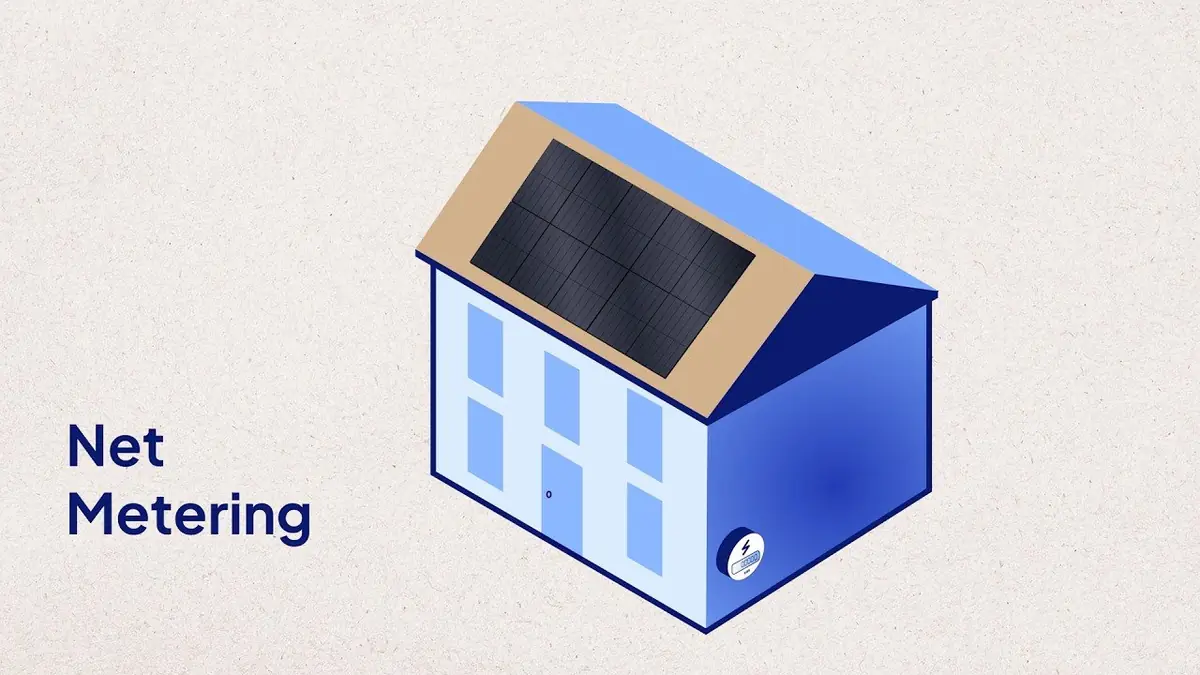
Under NEM 2.0, exported solar earned credits at the full retail rate, effectively running the meter backward for the billing period. NEM 3.0, formally the Net Billing Tariff, replaced that with avoided-cost compensation: exports earn what the utility would otherwise pay for wholesale power, which averages around 4 to 5 cents per kWh but varies by hour, with higher values during evening peak hours. That is roughly a 75 percent cut in export value.
The practical effect is that exporting solar became a bad deal and self-consumption became the whole game. A kWh you use directly offsets 30 to 50 cents of retail electricity in PG&E, SCE, or SDG&E territory. A kWh you export earns a nickel. Systems installed under NEM 2.0 were grandfathered for 20 years from their permission-to-operate date, so the old economics still apply to older systems, but every new install goes on NEM 3.0. If you are comparing your neighbor’s 2021 payback story to your 2026 quote, you are comparing two different policies, and the neighbor’s numbers will mislead you.
SGIP Battery Rebates: Current Picture
The Self-Generation Incentive Program (SGIP) is California’s main remaining incentive for residential batteries, and it is the one most likely to change between the time this is written and the time you read it. SGIP pays per watt-hour of installed storage capacity, with rates that step down as funding blocks fill. Historically, general-market residential rates started around 25 cents per Wh and declined through successive steps, while equity and resilience budgets for qualifying customers in fire-risk or outage-prone areas paid far more, up to $1 per Wh in the equity resilience budget.
Here is the honest guidance: treat SGIP as a bonus, not a plan. Funding blocks open and close, waitlists form, and your installer must reserve your incentive through an approved administrator. Ask your installer which SGIP budget and step they are quoting you under, and get the reservation in writing before you sign anything. Confirm the current status at the California Public Utilities Commission site and DSIRE. Do not sign a contract whose math only works if a rebate materializes, because incentive programs are the least reliable line item in any quote.
Real Payback Math: Three Scenarios
Assume an 8 kW system in PG&E territory at $3.00 per watt ($24,000), no federal credit, and a household using 10,000 kWh per year at an average all-in rate of 35 cents per kWh. These are representative 2026 figures for the Bay Area and Central Valley:
| Scenario | System cost | Annual savings | Simple payback |
|---|---|---|---|
| Solar only, NEM 3.0 | $24,000 | $1,800-$2,200 | 11-13 years |
| Solar + 13.5 kWh battery | $36,000-$40,000 | $3,000-$3,800 | 9-12 years |
| Solar + battery + SGIP rebate | $31,000-$36,000 net | $3,000-$3,800 | 8-11 years |
Compare that to our Texas 2026 guide, where full retail net metering in some utility territories still produces 7 to 9 year paybacks without batteries. California’s high rates are what keep the math working despite NEM 3.0: saving 35 to 50 cents per self-consumed kWh adds up fast. The payback scenarios above also ignore rising rates, and California rates have risen faster than the national average, which shortens every payback above. For the no-credit payback framework in general, see our 2026 payback guide.
Why Batteries Are Now the Default
Before NEM 3.0, only about 10 to 15 percent of California residential installs included batteries. After NEM 3.0, attachment rates rose above 50 percent in the major utility territories, because the battery is what converts cheap exports into valuable self-consumption. The battery charges on midday solar that would otherwise export at 4 cents and discharges through the 4 to 9 PM peak when retail rates hit 40 to 60 cents.
Batteries also buy resilience, which matters more in California than almost anywhere else. Public Safety Power Shutoffs during fire season and the memory of recent grid emergencies make backup power a genuine feature, not a luxury. Size the battery for your critical loads, refrigerator, lights, internet, medical devices, not the whole house, unless you are prepared for the cost of whole-home backup. A single 13.5 kWh unit covers most homes’ critical loads through the evening peak, which is exactly the window that matters economically. If you work from home or have medical equipment that cannot lose power, that resilience value can outweigh pure payback math in your decision.
Lease vs Own Under NEM 3.0
NEM 3.0 changed the lease math too. Under NEM 2.0, leases were straightforward: the company captured the retail-rate exports and passed savings to you. Under NEM 3.0, a solar-only lease saves the customer relatively little, because the exports the lease company monetizes are worth far less. Leases paired with batteries perform better but cost more per month.
Ownership, by cash or loan, captures the full value of self-consumption, which is where all the money is under NEM 3.0. The loan payment is fixed while utility rates rise, so the savings spread grows every year. That said, the end of the 25D credit removed one of ownership’s biggest advantages, the 30 percent credit that lessors used to monetize and pass through as lower lease payments. In 2026, neither path gets a federal credit, so the comparison comes down to monthly payment versus lifetime savings with unusual clarity. Our lease vs purchase guide walks through who, if anyone, still gets a tax credit in 2026. And if your system was installed in 2025, you may still claim the credit via Form 5695, which is worth handling before you forget.
Is solar still worth it in California under NEM 3.0?
Yes for most homeowners, but only with realistic expectations and usually with a battery. Solar-only paybacks stretched to 11 to 13 years; solar-plus-storage lands at 8 to 12 years thanks to high retail rates that keep rising.
Can I still get NEM 2.0?
No for new installs. The NEM 2.0 application window closed in April 2023. Existing NEM 2.0 customers keep their status for 20 years from permission to operate.
How do I check current SGIP funding?
Ask your installer for the specific budget and step, and verify at the CPUC website and DSIRE. SGIP blocks fill quickly and waitlists form, so quoted rebate amounts can go stale.
Do California utilities charge extra solar fees?
NEM 3.0 includes a grid benefits charge discussion that evolved through implementation. Your specific utility tariff determines any fixed charges, so read the tariff sheet for your own utility, not a statewide summary.
What size battery do I need in California?
One 13.5 kWh unit covers the 4 to 9 PM peak for most homes and captures the main economic benefit of shifting solar into expensive evening hours. Whole-home backup through the night needs two or more units and costs proportionally more.
Ready to compare real solar prices?
Get free, no-pressure quotes from vetted local installers and see what solar costs for your roof.