
The headline is bleak: the 30% federal tax credit for residential solar is gone for systems installed in 2026. The reality is more nuanced. A patchwork of state credits, utility rebates, property tax exemptions, and net metering policies still takes thousands off the cost of going solar. Here is the complete map of what 2026 buyers get instead.
- The 25D residential credit ended for systems placed in service after December 31, 2025. There is no federal credit for 2026 home installs.
- Many states still offer their own credits, rebates, and property tax exemptions for solar.
- Net metering rules, which decide what your excess power is worth, vary wildly and matter enormously.
- DSIRE (dsireusa.org) is the authoritative database for every state and utility incentive.
- Battery-specific rebates like California’s SGIP can still cut storage costs substantially.
What exactly ended
Section 25D of the tax code, the residential clean energy credit, let homeowners claim 30% of a solar system’s cost against their federal income taxes. It was scheduled to run at 30% through 2032 under the Inflation Reduction Act. The 2025 budget reconciliation law terminated it early: systems placed in service after December 31, 2025 do not qualify. “Placed in service” means installed and operational, so a system contracted in 2025 but switched on in 2026 misses the credit.
If your system was operational by the end of 2025, you can still claim the credit on your 2025 tax return via IRS Form 5695, and our guide to claiming the credit on a 2025 installation covers the eligibility details. Everyone else is shopping in the post-credit world, which is what the rest of this guide maps. One caution: tax law is intricate and edge cases exist around timing and ownership. Confirm anything consequential with a tax professional, not a salesperson.
State tax credits still available
About half the states offer their own solar tax credits or have done so recently, and these survived the federal change untouched. The notable ones:
- New York: a 25% state tax credit up to $5,000, stackable with any remaining federal benefits on 2025 systems and fully available for 2026 installs. Combined with NY-Sun rebates, New York remains one of the strongest solar states.
- Arizona: a $1,000 state tax credit for residential solar, modest but real, on top of strong net metering from some utilities.
- South Carolina: a 25% state credit up to $3,500 per year, claimable over multiple years.
- Iowa, Montana, New Mexico and others have credits of varying sizes with their own caps and rules.
State credits change frequently: legislatures adjust caps, sunset dates, and eligibility. Before counting on one, verify its current status at DSIRE, the Database of State Incentives for Renewables and Efficiency maintained by North Carolina State University. It is the single authoritative source, and every serious solar shopper should bookmark it. The Department of Energy’s homeowner guide to going solar is another reliable starting point for understanding which incentives apply to your situation.
Utility and state rebates
Rebates are upfront cash back, usually paid per watt or per system, and they reduce your cost immediately rather than at tax time. They are hyper-local: your utility or state energy office decides. Examples that matter in 2026:
- New York (NY-Sun): per-watt rebates that step down as capacity targets are met, paid through participating installers.
- Colorado (Xcel Energy): has offered per-watt rebates for residential solar alongside the state’s property tax exemption.
- Connecticut, Massachusetts, Oregon and others run state rebate or performance-payment programs with varying availability.
Rebates are the most time-sensitive incentive of all: programs hit their funding caps and close, sometimes with little notice. If a rebate exists in your area, factor its deadline into your installation timeline. Ask installers explicitly which rebates they will apply for on your behalf and get the expected amount in writing, because rebate paperwork filed late is rebate money lost.
Net metering: the invisible incentive
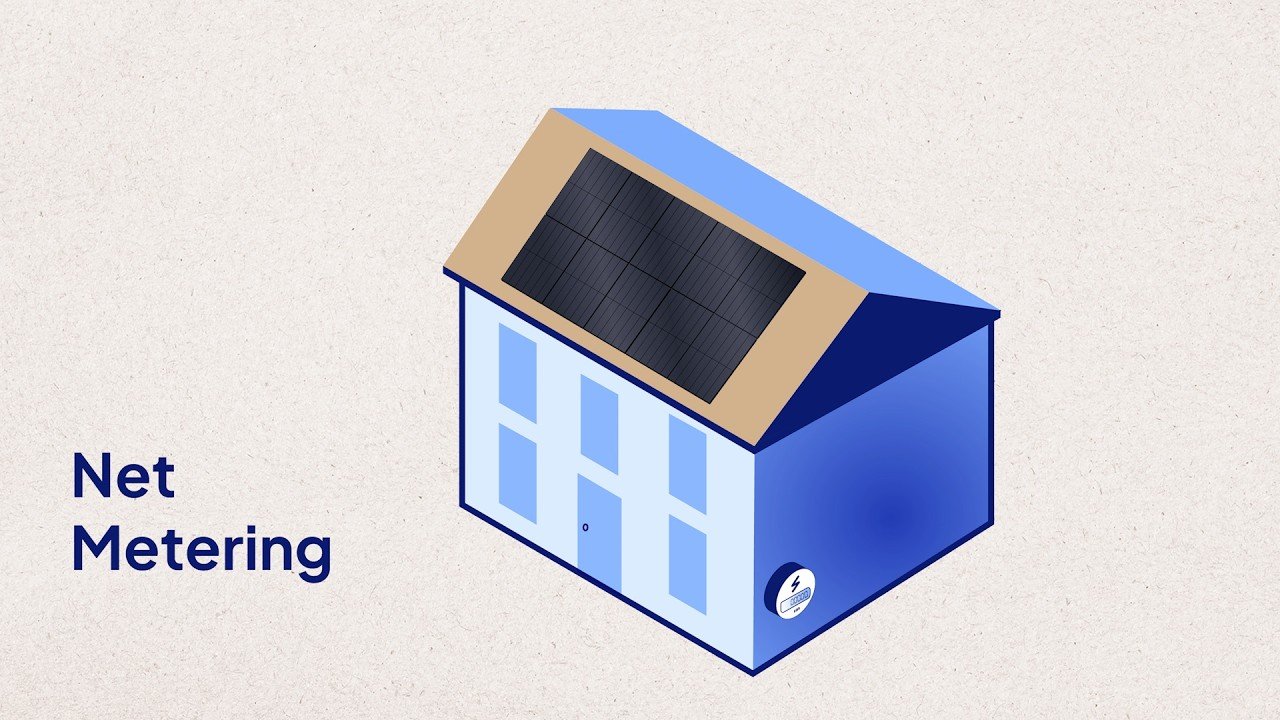
The most valuable “incentive” in many states is not a check at all. It is net metering: the policy that decides what your utility pays you for excess solar power you export to the grid. Under traditional 1-to-1 net metering, every kWh you export offsets a kWh you import later at the full retail rate. That effectively values your solar power at 15 to 40 cents per kWh. Under reduced-export regimes like California’s NEM 3.0, exports earn far less, which slashes the value of oversized systems and makes batteries much more attractive.
This is why two identical systems in different states can have paybacks years apart. A homeowner in a 1-to-1 net metering state with 20-cent power can see paybacks under 10 years even with no tax credit. The same system where exports earn 4 cents might never pay back without a battery to shift consumption. Before you sign anything, learn your utility’s exact export rules: full retail credit, avoided-cost credit, time-varying credit, or none. Our state guides to California and Texas show how different the answer can be.
Property and sales tax exemptions
Two quiet incentives that survived everywhere the federal credit did not:
- Property tax exemptions: most solar states exempt the added home value from solar from property tax assessments. Without the exemption, a $20,000 system could add a few hundred dollars a year to your property tax bill indefinitely. Texas, Florida, New York, and many others have this protection in law.
- Sales tax exemptions: roughly half the states waive sales tax on solar equipment, saving 5 to 10 percent on the hardware portion of your system.
Neither requires an application in most states; they apply automatically or through a simple filing. But confirm yours exists, because in the handful of states without a property tax exemption, the added assessment is a real (if modest) drag on solar economics. DSIRE lists both exemptions state by state.
| Incentive type | What it is worth (typical) | Where to verify |
|---|---|---|
| State tax credit | $1,000 – $5,000 | DSIRE, state revenue department |
| Utility/state rebate | $500 – $5,000+ | Utility website, DSIRE |
| Net metering (1-to-1) | Worth thousands over system life | Utility tariff, state PUC |
| Property tax exemption | $200 – $600/year avoided | DSIRE, county assessor |
| Sales tax exemption | 5 – 10% of equipment cost | DSIRE, state revenue department |
| Battery rebates (e.g. SGIP) | $150 – $1,000+ per kWh | Program administrator |
Battery-specific programs
With the federal credit gone, batteries lost their 30% subsidy too, which makes state battery programs disproportionately important. California’s Self-Generation Incentive Program (SGIP) has paid hundreds of dollars per kWh for residential storage, with higher rates for customers in fire-risk areas or on medical baseline rates. Program funding steps down over time and rules evolve, so check the current step at the program administrator’s site before counting on a number.
Other states are following: Connecticut’s Energy Storage Solutions, Massachusetts’ ConnectedSolutions (which pays you for letting the utility draw on your battery during peak events), and various utility time-of-use arbitrage opportunities that function as implicit incentives. If you are considering a battery, the storage incentive stack in your state can matter more than anything on the solar side. And if you are weighing leasing versus buying, note that third-party-owned systems face their own changed credit mechanics in 2026.
What still helps in 2026
- State credits and rebates untouched by federal change
- Net metering still 1-to-1 in many states
- Property and sales tax exemptions widespread
- Battery programs expanding in several states
What is gone or fading
- 30% federal credit for 2026 installs
- Several rebate programs near funding caps
- Export rates declining in more states
- Leased-system credit mechanics changed
Related incentive guides
- Can You Still Claim the 30 Percent Credit on a 2025 Installation
- IRS Form 5695 Explained: How to Claim Solar on Your 2025 Taxes
- Solar Lease vs Purchase in 2026: Who Still Gets a Tax Credit
- California Solar in 2026: SGIP Battery Rebates, NEM 3.0 and Real Payback Math
- Texas Solar in 2026: No State Credit, So Where Do the Savings Come From
Is there really no federal solar tax credit in 2026?
Correct for residential systems. The 25D credit ended for systems placed in service after December 31, 2025. No replacement federal residential credit has been enacted as of 2026.
What is the best state for solar incentives in 2026?
It depends on how you count, but New York (state credit plus rebates), New Jersey (SREC-II payments), and Massachusetts (strong programs plus high rates) rank near the top. Check DSIRE for current details.
Do I need to apply for the property tax exemption?
In most states it applies automatically or through a simple filing with your assessor. Confirm the process in your state so the exemption is not missed.
Can I still get a rebate if my installer does not mention one?
Possibly, but rebates usually must be applied for before or during installation, and some must go through participating installers. Research DSIRE before signing, not after.
Are battery rebates separate from solar rebates?
Often yes. Programs like SGIP target storage specifically, with their own applications, funding steps, and eligibility rules. A solar rebate does not automatically include storage.
Ready to compare real solar prices?
Get free, no-pressure quotes from vetted local installers and see what solar costs for your roof.