

Solar panels can cut the energy portion of your electric bill by 50 to 100 percent, but they cannot erase the whole bill. Fixed fees, demand charges, and net metering rules decide how much of that $200 monthly statement actually disappears.
- A well-sized system offsets 80 to 100 percent of your energy charges, but fixed monthly fees of $10 to $30 remain.
- Your net metering policy matters more than your sunshine. Full retail net metering can zero out energy charges; NEM 3.0-style rules cut export value sharply.
- Oversizing has limits. Most utilities cap systems at 100 to 120 percent of your historical usage.
- Batteries change the math under time-of-use rates by shifting solar into expensive evening hours.
- Realistic first-year savings for a $200/month bill: $1,800 to $2,200 per year in most states.
The Short Answer
For a typical US homeowner with a $150 to $250 monthly electric bill, a properly sized solar system eliminates most of the bill’s energy charges and leaves the fixed fees behind. Expect to save roughly 70 to 90 percent of the total bill in states with full retail net metering, and 50 to 75 percent in states with reduced export credits like California under NEM 3.0.
Those ranges assume the system is sized to your actual usage, which is why our payback period guide starts with 12 months of bills, not rules of thumb. Everything below explains where those numbers come from and what can push your results above or below them.
How Bill Offset Actually Works
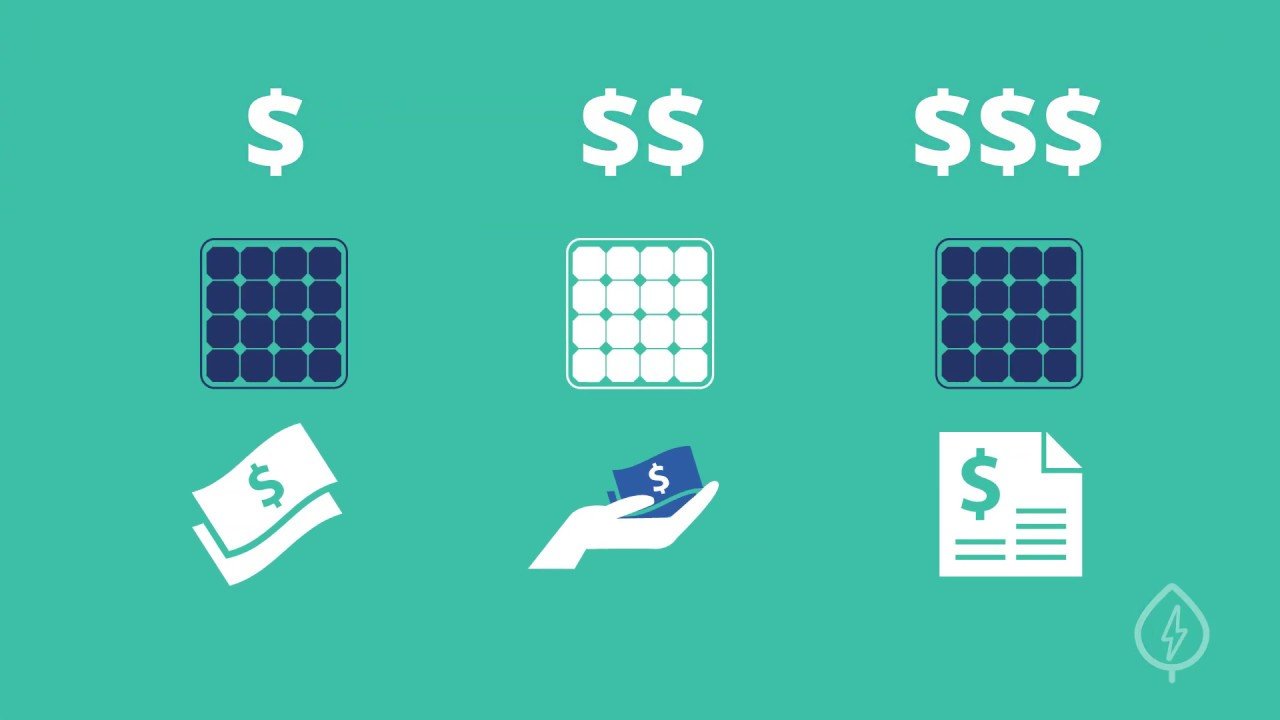
Your electric bill has two main parts: energy charges (per kWh you consume) and fixed charges (meter fees, customer charges, and sometimes demand charges). Solar attacks the energy charges. Every kWh your panels produce is a kWh you do not buy, either consumed instantly in your home or exported to the grid for credit.
The key ratio is self-consumption versus export. Electricity you use directly from your panels is worth the full retail rate, often 15 to 30 cents per kWh. Exported electricity is worth whatever your net metering policy pays, which ranges from full retail down to a few cents. A home that uses most of its solar directly, common for remote workers and retirees home during the day, saves more per panel than a home that exports most of its production. This is the single most misunderstood driver of solar savings, and it is why two identical systems on identical roofs can produce very different bill reductions.
What 100 Percent Offset Really Means
Installers love to promise “100 percent offset,” and the phrase needs translation. It means the system is designed to produce as many kWh per year as you consume per year. It does not mean a zero bill, and it does not mean the timing matches.
| Scenario | Annual usage | System size | Typical bill reduction |
|---|---|---|---|
| Full retail net metering | 10,000 kWh | 7.5 kW | 85-95% of total bill |
| Reduced export credit (NEM 3.0 style) | 10,000 kWh | 7.5 kW | 55-70% of total bill |
| No net metering, no battery | 10,000 kWh | 7.5 kW | 40-55% of total bill |
| Reduced export credit + battery | 10,000 kWh | 7.5 kW + 13.5 kWh battery | 75-90% of total bill |
Notice the battery row. Under unfavorable export rules, storing daytime solar for evening use restores much of the lost value, because self-consumed solar is always worth the retail rate. That is the economic engine behind California’s post-NEM 3.0 battery boom. The table also shows why the 120 percent oversizing conversation matters: utilities generally will not let you build a system far larger than your usage, so “more panels” is not an escape from bad export rates. See our sizing rules guide for the details.
Net Metering Rules Decide Your Savings
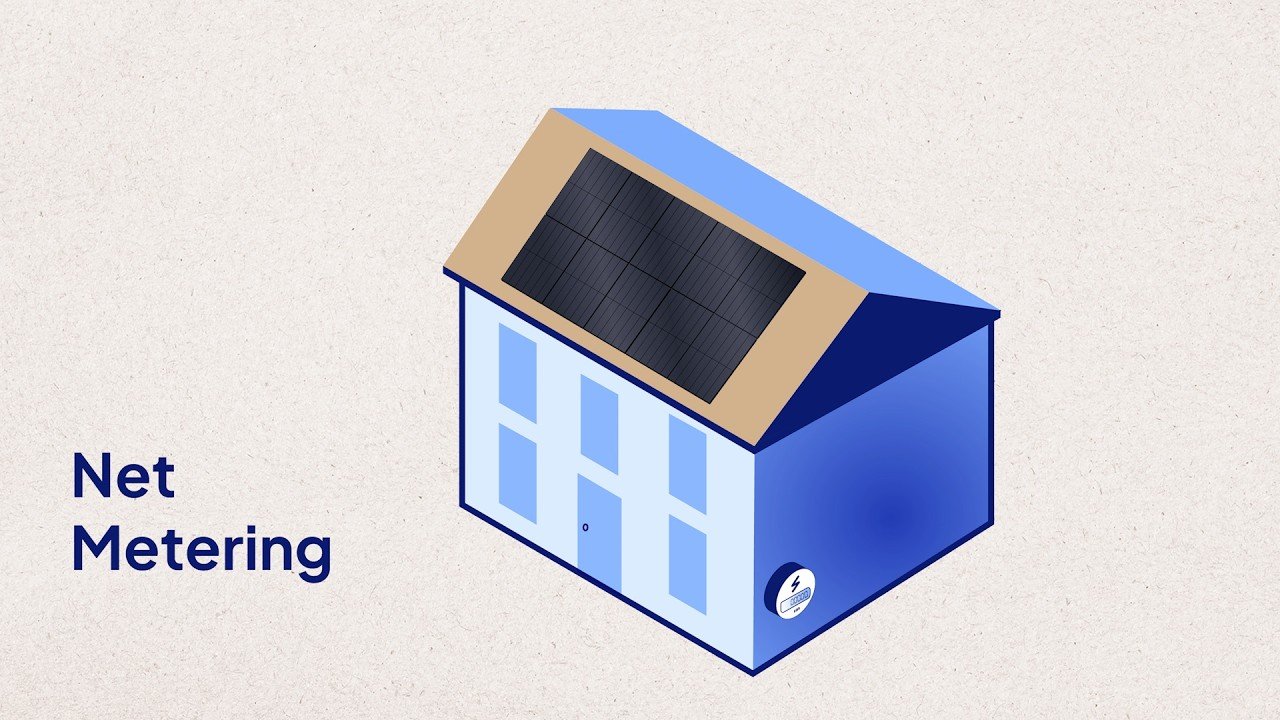
Net metering is the policy that sets the value of your exported solar, and it varies enormously. Under traditional full retail net metering, each exported kWh earns a credit equal to the retail rate, effectively spinning your meter backward. About half the states still offer something close to this, though the list shrinks yearly.
California’s NEM 3.0, which took effect in April 2023, cut export compensation by roughly 75 percent, paying closer to wholesale avoided-cost rates that average around 4 to 5 cents per kWh. The result: new California systems without batteries save far less than identical systems installed under NEM 2.0. Other states are watching California as a template. Before you trust any savings projection, confirm your utility’s current export rate and whether it is scheduled to change. Our California 2026 guide and Texas 2026 guide show how different the math looks across state lines. DSIRE at dsireusa.org tracks every state’s current policy.
The Charges Solar Cannot Erase
Even a perfect system leaves line items on your bill. The fixed customer charge, typically $10 to $30 per month, pays for grid access and does not budge. Some utilities add minimum bills, solar-specific fees, or demand charges based on your peak 15-minute usage. These are the fastest-growing part of utility bills nationally, and they are largely immune to rooftop solar.
This is worth internalizing before you see a quote promising to “eliminate your bill.” Pull out your last 12 bills and separate the fixed charges from the per-kWh charges. Your realistic maximum savings is the energy portion only. On a $200 bill with a $25 customer charge, the ceiling is $175, and real systems land somewhat below the ceiling because of seasonal mismatch and export discounts. Honest installers show this breakdown. The others show you the gross number.
Real Examples by Bill Size
Take three households, each with full retail net metering and a system sized to 100 percent offset. A $120 monthly bill ($1,440 per year) with $15 in fixed charges can realistically fall to $15 to $25 per month, saving about $1,200 per year. A $200 bill ($2,400 per year) with $20 in fixed charges typically drops to $20 to $40 per month, saving roughly $2,000 per year. A $350 bill ($4,200 per year), common for large homes with pools or EVs, can fall to $30 to $60 per month, saving around $3,500 per year.
These are examples, not promises. Your utility’s rate structure, your roof’s production, and your consumption timing all move the numbers. Time-of-use rates add another layer: if your utility charges 40 cents per kWh from 4 to 9 PM and 15 cents overnight, west-facing panels or a battery that covers the evening peak are worth far more than raw kWh totals suggest. Households with electric vehicles or heat pumps often see the largest absolute savings because their bills have the most energy charges to erase. The EIA publishes average residential rates by state, which is the right starting point for sanity-checking any projection.
Related Savings Guides
This guide is the hub for our savings coverage. Go deeper with these companions:
- The Honest Solar Payback Period in 2026 (No Tax Credit Edition): how long until the system pays for itself, with scenarios by state and bill size.
- Do Solar Panels Increase Home Value in 2026: What Appraisers Say: what owned solar adds at resale, and why leased systems are a different story.
Can solar really make my electric bill zero?
Almost never. Fixed customer charges of $10 to $30 per month remain even with 100 percent energy offset. A bill under $20 per month is an excellent result.
Why do my savings differ from my neighbor’s with the same system size?
Consumption timing, rate plans, shading, and roof orientation all differ. The biggest factor is usually how much solar each home self-consumes versus exports.
Do I still need the grid with solar?
Yes, unless you add batteries and design for off-grid operation. Grid-tied solar without batteries shuts down during outages and relies on the grid at night.
Will my savings grow over time?
Usually yes, because utility rates historically rise 2 to 4 percent per year while your solar production stays roughly flat. Each rate hike increases the value of every kWh you generate.
Should I add a battery to increase bill savings?
Under full retail net metering, usually not for savings alone. Under time-of-use rates or reduced export credits, a battery can add $500 to $1,500 per year in savings by shifting solar into expensive evening hours.
Ready to compare real solar prices?
Get free, no-pressure quotes from vetted local installers and see what solar costs for your roof.