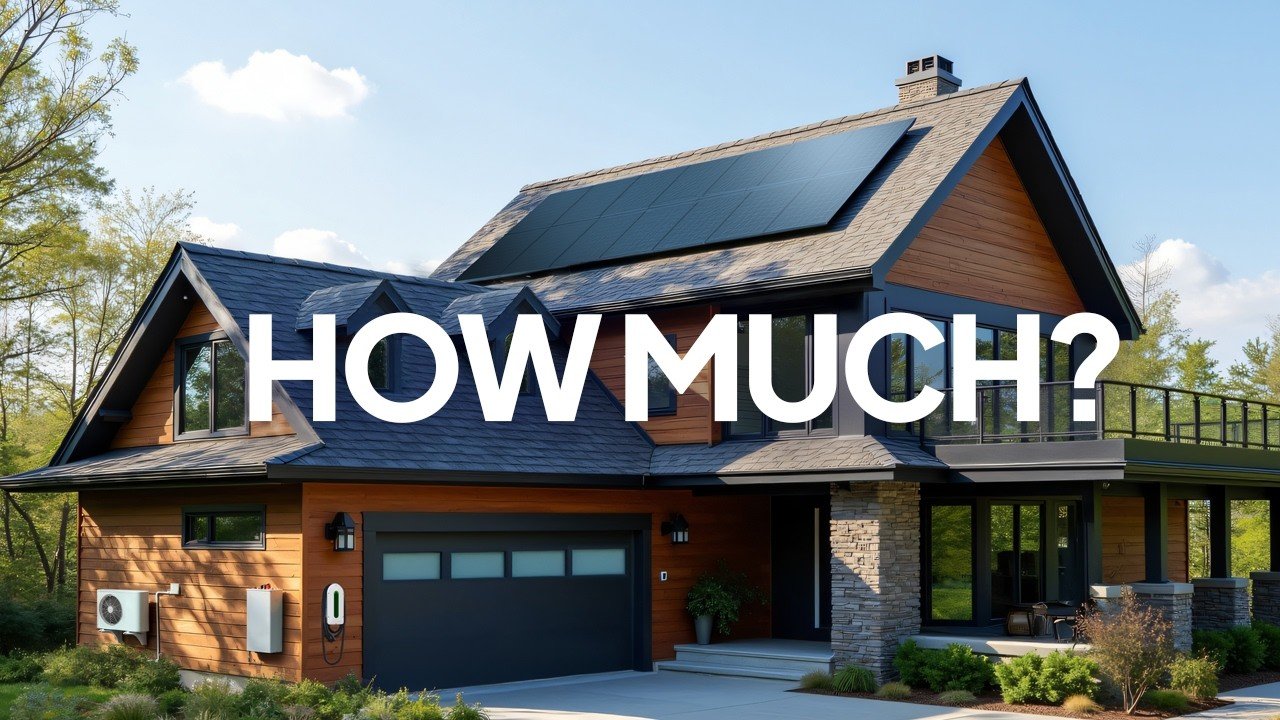


A 20-year-old asphalt shingle roof is near the end of its rated life, and bolting 25 years of solar panels to it creates a timing problem. Here is how to decide whether to replace first, install now, or do both together.
- Most asphalt shingle roofs last 20 to 30 years. At year 20, you are in the replacement window.
- Installing solar on a dying roof means paying $4,000 to $8,000 later for removal and reinstallation when the roof is replaced.
- Doing roof and solar together is usually cheapest: one crew mobilization, one permit cycle, and no double labor.
- If the roof has 5+ solid years left, installing now and re-roofing later can still make sense. Get a roofer’s honest assessment first.
- Metal and tile roofs change the math entirely. Their 40 to 50 year lifespans usually outlast the panels.
The Short Answer
Yes, solar panels can physically go on a 20-year-old roof. Installers do it regularly. The question is not whether it is possible but whether it is smart, because panels are warrantied for 25 years and your roof probably is not. If the roof needs replacement in five years, you will pay to take the entire array down and put it back up, which wipes out years of solar savings. The Department of Energy’s homeowner guide to going solar makes the same recommendation: assess remaining roof life before you commit to an array.
The decision comes down to remaining roof life, and that is a roofing question, not a solar question. Before you sign a solar contract, get an independent roofer (not the solar company’s roofing partner) to assess the roof and give you an honest remaining-life estimate. That one inspection, usually free or under $200, is the highest-value step in this whole decision.
How Roof Age Affects the Decision
Architectural asphalt shingles, the most common US residential roofing, are typically rated for 25 to 30 years. A 20-year-old shingle roof therefore has somewhere between zero and ten years of useful life left, depending on climate, ventilation, shingle quality, and maintenance history. A well-ventilated roof in a mild climate can soldier on past 25. A poorly ventilated roof in Texas heat may be done at 18.
Solar panels actually protect the shingles beneath them from UV degradation, which is the main aging mechanism for asphalt. GAF, North America’s largest roofing manufacturer, publishes lifespan guidance by shingle type that is worth checking against your roof’s age. The covered sections often outlast the exposed sections. But that benefit does not help you if the roof is already curling, losing granules, or leaking. Panels do not fix a failing roof. They just make the eventual replacement more expensive, because the array has to come off first. Roof type matters too, so compare tile versus shingle installation costs and risks if you are weighing a material change at the same time.
The Math: Replace Now vs Later
Put numbers on the two paths. These are typical ranges for a 2,000 square foot roof with a 7 to 8 kW solar array.
| Path | Typical cost | Downside |
|---|---|---|
| Re-roof now, then solar | $10,000-$16,000 roof + $18,000-$25,000 solar | Big upfront outlay |
| Solar now, re-roof in 5 years | $18,000-$25,000 solar now + $4,000-$8,000 removal and reinstall + $10,000-$16,000 roof later | Paying for the array twice in labor |
| Roof + solar together | $26,000-$38,000 combined | Requires a roofer-solar coordination |
The middle path costs $4,000 to $8,000 more in total than doing the roof first, purely from the extra labor of removing and reinstalling the array. The combined project is usually cheapest overall because you pay for scaffolding, crew mobilization, and the permit cycle once. Many roofing companies now partner with solar installers (or have in-house solar divisions) specifically to sell this bundled job.
What Removal and Reinstall Really Costs
When roofers say “we will work around the panels,” get the details. A proper re-roof under solar means a solar crew removes the panels, rails, and wiring, stores the equipment, and returns after the roofers finish to reinstall and recommission the system. The $4,000 to $8,000 range covers that full cycle for a typical residential array. It is skilled electrical work, not a handyman job, and it usually takes two to four days across both visits.
Two things to negotiate upfront if you install on an older roof. First, ask your solar installer for their removal and reinstall rate in writing now, while you have leverage. Some companies offer it at a fixed price or even include one free removal within the warranty period. Second, confirm that the panel and inverter warranties survive a removal and reinstall performed by a certified crew. Manufacturer warranties generally remain valid if the work is done properly, but get that confirmation before the roofers arrive, not after.
Signs Your Roof Should Be Replaced First
Call a roofer before a solar salesperson if you see any of these: curling or cupping shingle edges, bald patches where granules have worn off, cracked or missing shingles, daylight visible from the attic, water stains on the underside of the roof deck, or moss and algae holding moisture against the surface. Any active leak is an automatic replace-first verdict.
Also check the attic. Poor ventilation cooks shingles from below and can cut roof life nearly in half. If your attic hits 140 degrees in summer, the roof is aging faster than its birthday suggests, and a solar installer who does not ask about ventilation is not doing a thorough site survey. A good installer will actually flag roof concerns themselves, because callbacks for leaks under their array are expensive for them too. One who waves away a visibly tired roof to close the sale is showing you a red flag.
The Middle Path: 5 to 10 Years Left
If the roofer says the roof has a solid five to ten years left, installing solar now is usually the right call. Five years of solar savings, often $6,000 to $10,000 in avoided electricity costs depending on your rates, outweighs the future removal cost. You also start the 25-year equipment clock sooner, and panel prices are unlikely to fall enough to justify waiting.
Make the future re-roof cheaper while you are at it. Ask the installer to use rail-based mounting with standard flashing rather than proprietary systems, because standard hardware is faster for any crew to remove and reinstall. Keep your as-built drawings and equipment list. And when the re-roof comes, schedule it in a low-production season if you can. Losing a week of generation in December costs far less than losing it in June.
Metal and Tile Roofs Are Different
Standing-seam metal roofs last 40 to 50 years, and concrete or clay tile lasts 50-plus. If your 20-year-old roof is metal or tile, the roof will almost certainly outlive the solar panels, and the whole timing dilemma disappears. Install with confidence.
The trade-offs move elsewhere: installation cost and method. Standing-seam metal is actually the easiest roof for solar because panels clamp to the seams with no penetrations at all. Tile is the most labor-intensive because each tile under a mounting foot must be lifted, flashed, and replaced, adding $1,000 to $3,000 versus shingle. Neither changes the core advice: on a long-life roof, the roof’s age barely matters. Get the structural check, confirm the underlayment is sound, and proceed. Permit rules still apply everywhere, so check what your city requires for the permit regardless of roof type.
Will solar panels damage my old roof?
Properly installed, no. Flashing-based mounts are watertight, and panels shield shingles from UV. Damage comes from bad installation or from installing on a roof that was already failing, which is why the independent roof assessment matters.
Can I get a roof and solar financed together?
Often yes. Many installers partner with lenders offering combined home-improvement loans, and some roofing companies have in-house solar divisions. Compare the combined loan’s terms against separate financing, since bundled dealer fees can hide in the total.
Does a new roof increase the solar tax situation?
The roof itself is generally not eligible for energy tax credits; only the solar equipment is. A few IRS private rulings have allowed the portion of roofing directly supporting solar to qualify, but this is unsettled. Confirm with a tax professional rather than a salesperson.
How long does a combined roof-plus-solar project take?
Typically three to six weeks from contract to permission to operate, versus two to four for solar alone. The roofing phase adds a week or two, and sequencing the trades is the main scheduling task. See our installation timeline guide for the full sequence.
Ready to compare real solar prices?
Get free, no-pressure quotes from vetted local installers and see what solar costs for your roof.