
Drilling dozens of holes in your roof sounds like asking for leaks, and it is the worry that stops plenty of homeowners from going solar. Here is the reassuring truth: a properly installed system does not cause roof leaks. Leaks happen, but they come from sloppy installation, failing flashing, or roofs that were already past their prime, not from solar panels themselves. This guide explains how mounts actually waterproof your roof, where leaks really come from, and how to make sure yours never happens.
- Properly installed solar does not cause roof leaks; industry data shows leak rates well under 1% with quality installers.
- Each roof penetration is sealed with metal flashing and sealant rated to outlast the roof itself.
- Most leaks trace to missed rafters, improper flashing, or installing on a roof that needed replacement first.
- A strong workmanship warranty (10 to 25 years) that explicitly covers roof penetrations is your best protection.
- If your roof has under 10 years of life left, replace it before installing solar, not after.
The Short Answer
No, solar panels do not cause roof leaks when installed correctly. This is not marketing spin; it is the consistent finding across installer field data and industry experience. Reputable installers report leak callbacks on a tiny fraction of one percent of installations, and most of those trace to identifiable installation errors rather than anything inherent to solar.
The intuition that holes equal leaks is understandable but misses how roofing works. Your roof already has dozens of penetrations: vent pipes, chimneys, skylights, and exhaust fans, each sealed with flashing that keeps water out for decades. Solar mounts use the same principle, with purpose-built flashing designed specifically for the job. A solar penetration sealed correctly is no more leak-prone than the plumbing vent that has been in your roof since the house was built.
The real risk is not solar itself but who installs it. The difference between a leak-free array and a problem roof is installer skill: hitting rafters, setting flashing correctly, and knowing when to walk away from a roof that needs replacement first. Choose well and the question answers itself. The Department of Energy’s homeowner guide to going solar offers solid advice on vetting installers. Our guide to installing solar on an older roof covers the roof-age question in detail.
How Panels Are Actually Attached
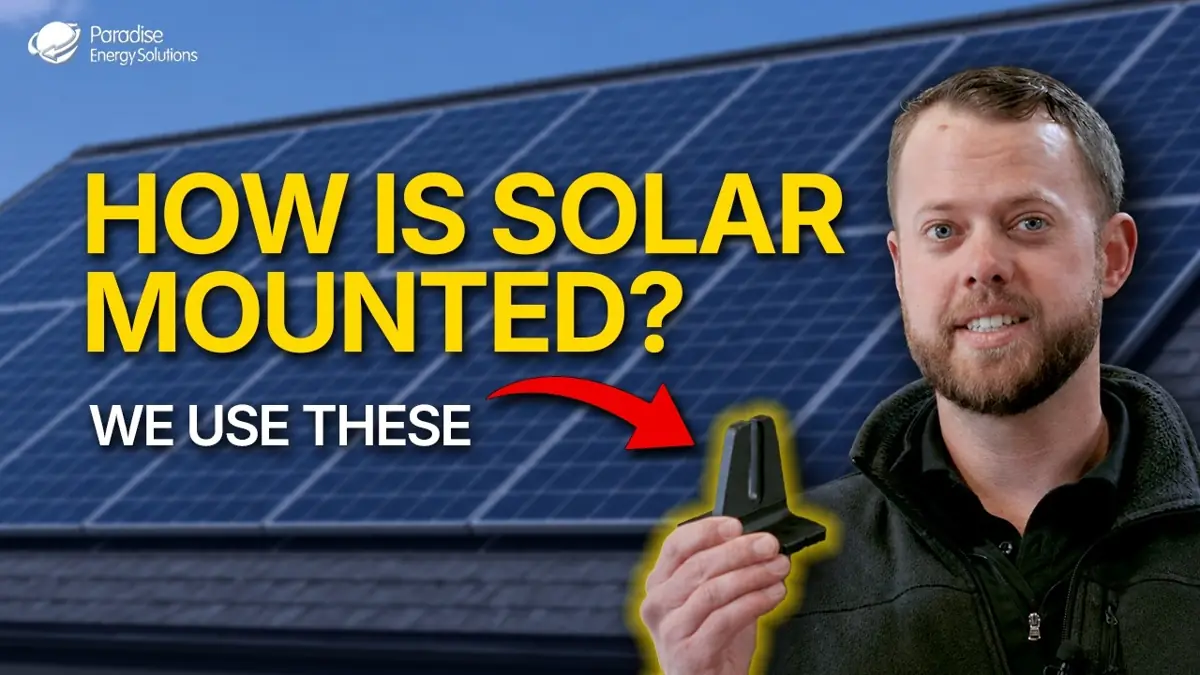
On a typical asphalt shingle roof, the installer locates the rafters, removes a small section of shingle at each attachment point, and drives a lag bolt or structural screw through the roof deck into the rafter. A metal flashing plate slides under the shingle course above and over the penetration, directing any water that reaches it down and away over the shingles below. Sealant beds the flashing, and the rail system bolts to the standoffs. Done right, water would have to travel uphill under two layers of protection to get inside.
Modern rail-less and low-penetration systems reduce the hole count further. Some use a single flashed mount per attachment instead of older L-foot designs, and ballasted systems on flat commercial roofs need no penetrations at all. For residential pitched roofs, expect roughly one penetration per 50 to 100 square feet of array, far fewer than most owners imagine.
Tile roofs work differently and deserve their own discussion. Installers either replace individual tiles with flashed mounts, use tile hooks that slide under the tiles without drilling through them, or in some methods carefully drill tiles with waterproofing. Each approach is proven when done by tile-experienced crews and risky with crews that only know shingles. Our tile versus shingle roof comparison breaks down the methods and costs.
Where Leaks Really Come From
When leaks do happen, the causes are consistent and preventable. The most common is flashing installed incorrectly: upside down, without sealant, or with the shingle courses layered wrong so water runs under instead of over. The second is missed rafters, where a lag bolt lands in sheathing alone and the mount flexes with wind until the seal breaks. The third is sealant-only mounting, where an installer skips proper flashing and relies on a dab of caulk that cracks within a few years.
Then there is the roof itself. Installing a 25-year solar system on a 20-year-old shingle roof with five years of life left guarantees you will pay for a removal and reinstall when the roof fails, and the failing roof, not the panels, will be what leaks. This is the single most avoidable solar roofing mistake, and any honest installer flags it during the site survey.
Storm damage and aging sealant round out the list. Decades of thermal cycling can eventually crack sealant around mounts, which is why a professional inspection every few years matters. Critter damage to flashing is rare but real. None of these are mysterious, and all are covered by a proper workmanship warranty, which is why the warranty terms matter as much as the hardware. Regular checks like these are part of basic solar maintenance.
Roof Types and Leak Risk
Not all roofs present the same installation challenge. The table below summarizes how the common residential roof types compare for solar mounting.
| Roof type | Mounting method | Leak risk when done right | Notes |
|---|---|---|---|
| Asphalt shingle | Flashed lag bolts into rafters | Very low | The standard; most installer experience lives here |
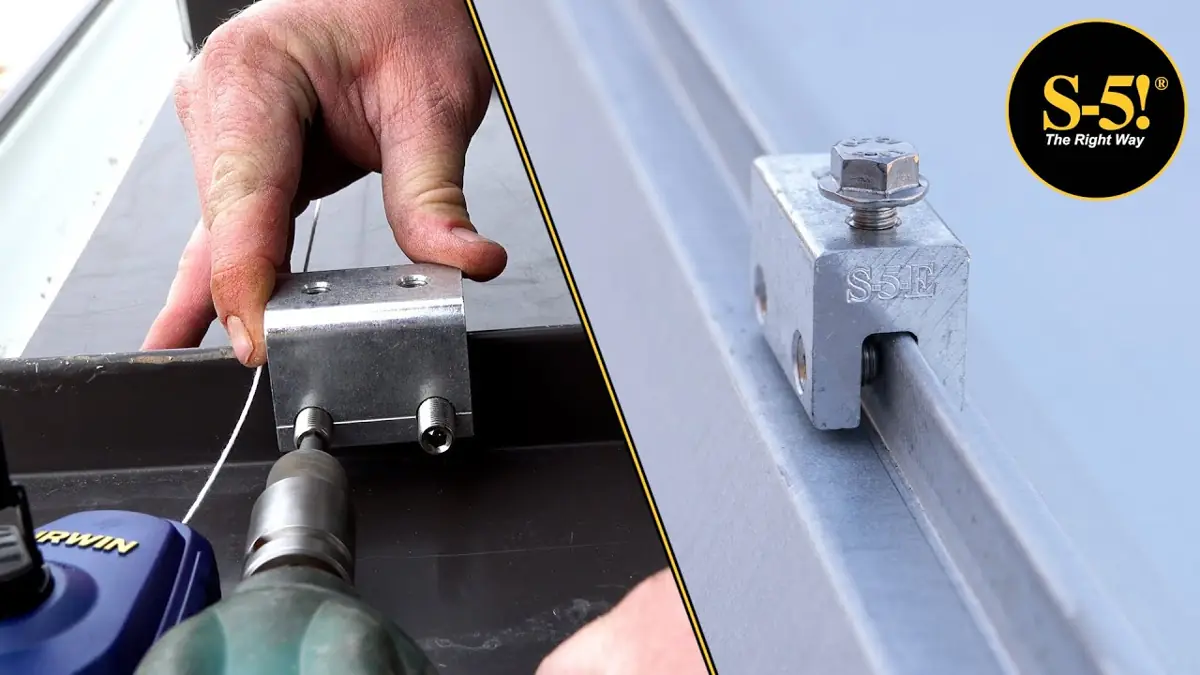
| Standing seam metal | Clamps grip the seams | Near zero | Often no penetrations at all |
| Tile (clay/concrete) | Tile hooks or flashed replacements | Low with tile specialists | Use crews experienced with tile; tiles crack if mishandled |
| Flat / low slope | Ballasted or attached racks | Low | Ballasted needs no holes; attached needs expert flashing |
| Wood shake | Flashed mounts with fire treatment | Moderate | Some jurisdictions restrict solar on shake; check codes |
Standing seam metal deserves a highlight: clamp-based mounting grips the raised seams with no roof penetrations whatsoever, making it arguably the best roof in existence for solar. If you are choosing roofing with future solar in mind, standing seam metal plus a solar-ready design is the gold standard.
How to Protect Yourself
Protection starts before installation day with installer selection. Ask every bidder three questions: how many installations they have completed on your specific roof type, what flashing system they use by brand name, and what their workmanship warranty covers and for how long. Vague answers to any of these are a red flag. Established local installers with hundreds of local roofs stake their reputation on every flashing detail; fly-by-night outfits do not.
Get the workmanship warranty in writing and read the fine print. It should run at least 10 years, with 20 to 25 years offered by the best companies, and it should explicitly cover roof penetrations and leak repairs, not just equipment and labor in vague terms. Some warranties also cover the cost of removing and reinstalling panels if roof work is needed later, which is valuable protection.
On installation day, you do not need to supervise, but a mid-installation photo of a few flashed mounts before panels go on is reasonable to request. After installation, keep your contract, warranty documents, and the as-built layout showing where every penetration is. EnergySage’s solar guide has additional checklists for evaluating installer quality. If you ever need roof work, that layout tells the roofer exactly where the mounts are.
What to Do If You Suspect a Leak
Act quickly but do not panic. Inside the house, look for water stains on ceilings or walls beneath or near the array, damp insulation in the attic under mount locations, and any musty smell after rain. In the attic, trace the stain upward; the entry point is often upslope of where water appears inside. Take dated photos of everything.
Call your installer first, not a roofer. Penetration leaks are workmanship issues covered by the installer’s warranty, and having a roofer alter the mounts can complicate the warranty claim. A reputable installer treats leak calls as urgent and inspects within days. If the installer is out of business, call a certified solar service company and keep all receipts; you may have recourse through the equipment manufacturer’s installer network or your homeowner’s insurance.
Do not let anyone talk you into a full panel removal as the first step. Most penetration leaks are fixed by resealing or reflashing the specific mount from above, a small job. Full removal and reinstall is reserved for roof replacement, which brings us back to the golden rule: if your roof is near the end of its life, replace it before the panels go on. A leak-free decade starts with that decision, and it is far cheaper than hail damage repairs or mid-life roof work under an array.
Do solar panels cause roof leaks?
No, not when installed correctly. Each penetration is sealed with metal flashing and sealant using the same principles as existing roof vents. Leak rates with quality installers are a tiny fraction of one percent.
How many holes do installers drill in my roof?
Roughly one penetration per 50 to 100 square feet of array on a shingle roof, each flashed and sealed. Standing seam metal roofs often need zero penetrations thanks to seam clamps.
Should I replace my roof before going solar?
If your roof has fewer than 10 years of life left, yes. Installing 25-year panels on a failing roof guarantees an expensive removal and reinstall later. Many installers offer roof-plus-solar packages.
Who pays if my roof leaks after solar installation?
Your installer’s workmanship warranty should cover penetration leaks, typically for 10 to 25 years. Get this coverage in writing before signing the contract.
Can I install solar on a tile roof without leaks?
Yes, with a crew experienced in tile. Tile hooks and flashed tile replacements are proven methods. The risk comes from inexperienced crews cracking tiles, so verify tile-specific experience.
Go solar with installers you can trust
Compare vetted local installers with strong workmanship warranties. Free quotes, no pressure.