
“Set and forget” is the phrase every solar salesperson uses, and it is about 90% true. Panels have no moving parts and can run for decades with minimal attention. But the inverter, wiring, mounts, and monitoring all benefit from occasional checks, and ignoring them entirely can turn small issues into expensive ones. This guide gives you the realistic maintenance picture: what needs doing, what it costs, and what you can safely skip.
- Solar needs less maintenance than nearly any other home system, but a short annual checklist keeps it at peak output.
- The inverter is the component most likely to need service; panels themselves rarely fail.
- Most upkeep is free: monitoring checks, visual inspections, and occasional cleaning.
- A professional service visit typically costs $150 to $300; budget for one every few years.
- Neglecting maintenance rarely voids warranties, but unauthorized DIY electrical work can.
The Honest Answer
Solar panels are among the most reliable things you can bolt to a house. With no moving parts, sealed electronics, and tempered glass built to survive hail, quality panels degrade slowly at around 0.5% per year and keep producing for 25 to 30 years or more. SolarReviews’ breakdown of panel lifespan reaches the same conclusion: leave them alone and they mostly take care of themselves. The panels themselves almost never need servicing; field failure rates for tier-one modules are well under 1% over their warranted life.
The “forget” part of “set and forget” is where owners get into trouble. A system is more than panels: the inverter converts every watt you use, wiring and connectors carry high-voltage DC, roof mounts endure decades of wind and thermal cycling, and the monitoring connection is your only window into all of it. Each of these can develop issues that silently cost you production for months if nobody looks.
The realistic framing is this: solar needs about an hour of your attention per year, plus a professional look every three to five years. That is dramatically less than a furnace, a car, or even a lawnmower, but it is not zero. Owners who do that hour of checks catch failing microinverters, growing shade, and loose monitoring connections early, when fixes are cheap or free under warranty.
What Actually Needs Attention
The inverter tops the list because it is the hardest-working component and the most likely to fail. String inverters typically last 10 to 15 years, meaning most owners will replace one during the system’s life, while microinverters often carry 25-year warranties matched to the panels. Watch for error codes, unexpected shutdowns, or production that stops tracking the sun. Our guide on what to do when your inverter shows an error code covers the common warnings.
Wiring and connectors come next. Squirrels and other rodents chew through wire insulation, UV and heat slowly age cable jackets, and a loose MC4 connector can arc. Critter guards, mesh barriers installed around the array perimeter at installation or retrofitted later, prevent most animal damage and are cheap insurance. A yearly visual check of visible conduit and junction boxes catches the rest.
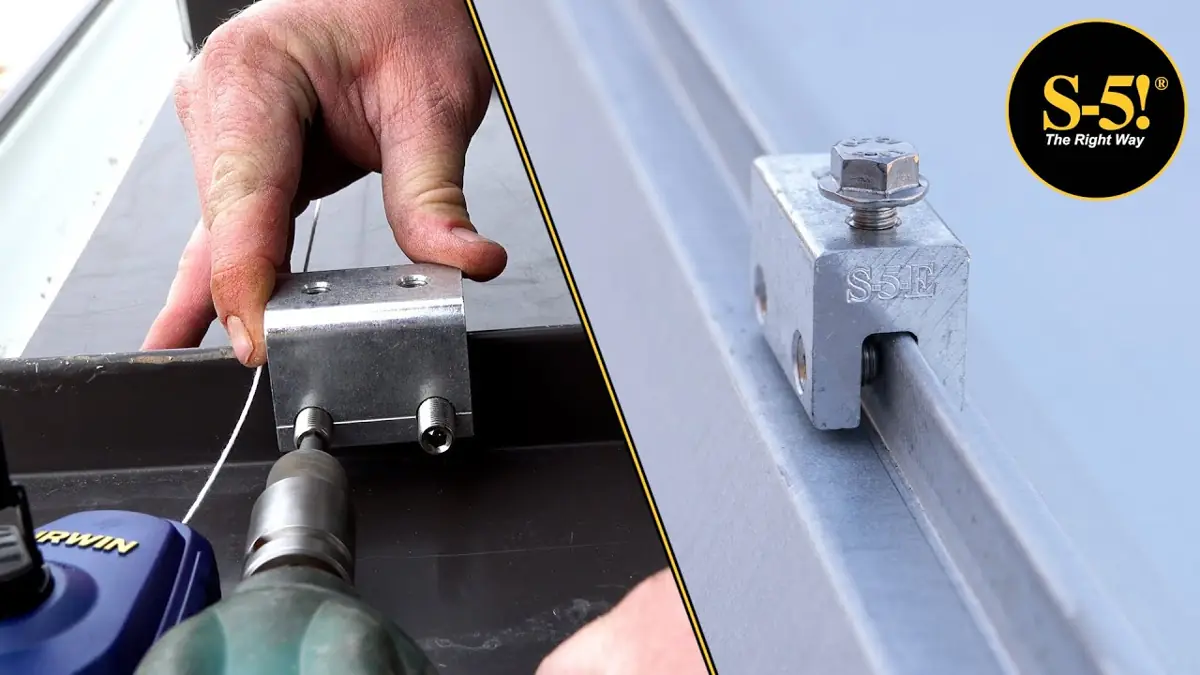
Roof mounts deserve a look every few years, especially in high-wind regions. Racking bolts can loosen slightly through years of thermal expansion and contraction, and flashing should be checked for cracked sealant. This is professional territory: walking a roof around an array risks both your safety and the panels. Finally, keep vegetation trimmed so nothing shades the array or drops excessive debris, a point that matters for both summer performance and winter output.
Your Annual Maintenance Checklist
Do this once a year, ideally in spring after pollen season and winter storms. Most of it takes under an hour and costs nothing.
| Task | Frequency | DIY or pro? |
|---|---|---|
| Review monitoring app for panel-level anomalies | Monthly glance, yearly deep check | DIY; see our phone monitoring guide |
| Visual inspection from the ground for damage or debris | Yearly | DIY |
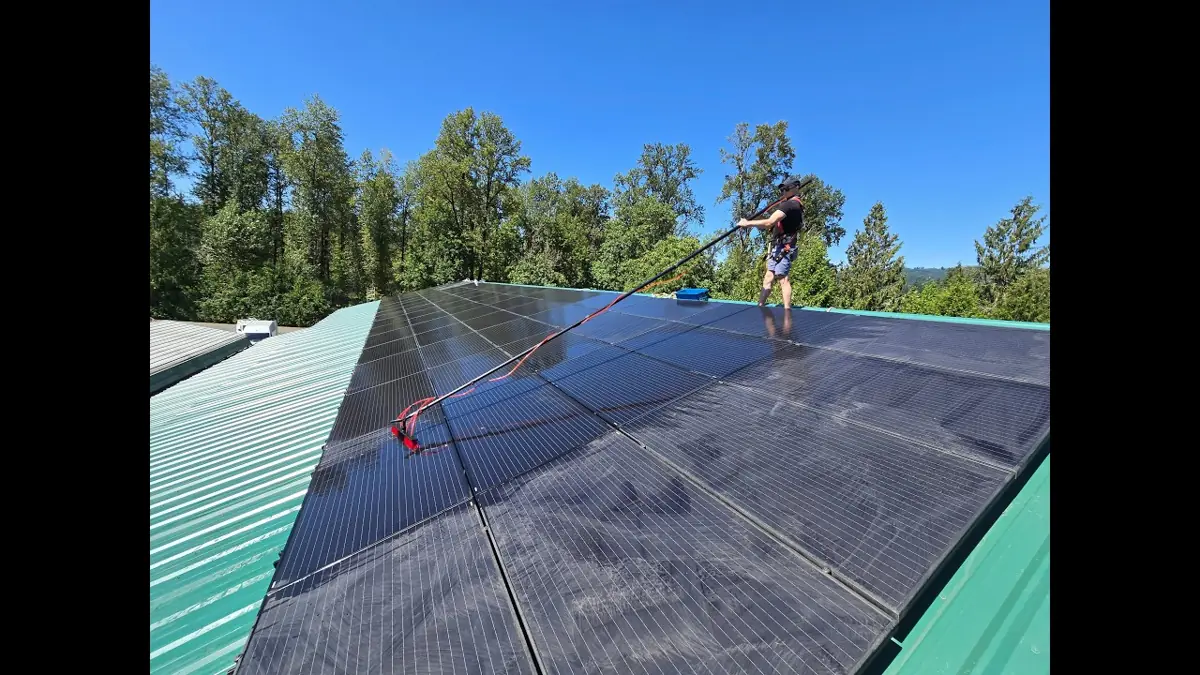
| Clean panels if visibly soiled | 1-2x yearly; see cleaning guide | DIY if safely reachable |
| Trim vegetation casting new shade | Yearly | DIY or landscaper |
| Check inverter display for errors; clear vents | Yearly | DIY visual only |
| Inspect mounts, flashing, and wiring | Every 3-5 years | Professional |
| Verify monitoring connection and firmware | Yearly | DIY; call installer if offline |
The monthly monitoring glance is the highest-value habit on the list. Thirty seconds in the app each month, comparing each panel to its neighbors, catches failing microinverters, new shade, and soiling buildup long before they cost real money. A system that looks uniform is almost certainly healthy; one panel lagging the pack is your cue to investigate.
What Maintenance Really Costs
For most owners, routine maintenance costs essentially nothing: monitoring is free, visual checks are free, and DIY cleaning costs a few dollars in water. The real budget items are occasional professional services. A preventive service visit, where a technician inspects mounts, torques bolts, checks wiring, cleans panels, and verifies production, typically runs $150 to $300 depending on system size and roof complexity.
The big-ticket item is inverter replacement. If a string inverter fails outside its 10 to 12 year warranty, replacement typically costs $1,500 to $3,000 installed. Microinverters carry 25-year warranties, so a failed unit is usually replaced free, though some installers charge a labor fee for the truck roll. This difference is one reason microinverter systems have lower lifetime maintenance costs despite higher upfront prices, a trade-off reflected in real 2026 solar pricing.
Set aside a small maintenance reserve and you will never be surprised. Budgeting $100 to $200 per year covers a professional visit every few years with room to spare, which is a fraction of what most homes spend maintaining HVAC or plumbing. The Department of Energy’s homeowner guide to going solar is worth a read for the full ownership picture. Compared with the thousands solar saves annually on electricity, maintenance is a rounding error.
Warranties: What They Cover
Three warranties protect your system, and knowing which covers what saves arguments later. The equipment warranty covers manufacturing defects: 25 years or more on panels, 10 to 25 years on inverters depending on type. The performance warranty guarantees panels still produce 85% to 92% of rated power after 25 years. The workmanship warranty from your installer covers the installation itself, roof penetrations, and wiring, typically 10 to 25 years.
Normal maintenance, or lack of it, rarely voids equipment warranties. Manufacturers cannot reasonably demand you wash panels quarterly. What can void coverage is unauthorized modification: opening the inverter, rewiring DC circuits yourself, or letting an unlicensed handyman alter the system. Keep all service in the hands of certified professionals and keep your paperwork.
Document everything. Save your original contract, production estimates, warranty certificates, and permit records in one folder, digital or physical. When you call about a fault, dated screenshots from your monitoring app showing when production changed are the strongest evidence you can bring. Installers and manufacturers process documented claims far faster than vague complaints. For the full lifespan picture, see how long solar panels last.
Are Maintenance Plans Worth It?
Many installers offer annual service plans at $200 to $400 per year, promising yearly inspections, priority service, and discounted cleaning. Whether they are worth it depends on your situation and temperament.
- Professional eyes on mounts and wiring every year catch issues early
- Priority scheduling when something actually breaks
- Useful if your roof is steep or you are not comfortable with DIY checks
- Can preserve workmanship warranty terms that require professional service
- Costs more over time than pay-as-you-go servicing every few years
- Yearly inspections are overkill for young systems in mild climates
- May include cleanings you do not need, inflating the price
- Locks you to one company, which matters if they go out of business
The balanced approach for most owners: skip the annual plan, do the free yearly checklist yourself, and pay for a professional inspection every three to five years or after major storms. Buy a plan only if your roof is difficult, your workmanship warranty requires it, or you simply value the peace of mind. Either way, avoid long prepaid contracts with companies you have not vetted; the solar industry’s installer turnover is real.
Do solar panels need regular maintenance?
Very little. Panels have no moving parts and rarely fail. Plan on an hour of your own checks per year plus a professional inspection every three to five years, and your system should run reliably for decades.
What is the most common solar repair?
Inverter issues top the list. String inverters typically need replacement once during a system’s life, while microinverters usually last the full 25 years under warranty. Wiring damage from animals is the next most common service call.
How much does solar maintenance cost per year?
Close to nothing for routine care. Budget $100 to $200 per year as a reserve, which covers a $150 to $300 professional visit every few years with room to spare.
Will cleaning or inspecting panels void my warranty?
No, normal homeowner maintenance does not void warranties. What can void coverage is unauthorized electrical work, opening the inverter, or using pressure washers and harsh chemicals that damage equipment.
Do I need a professional maintenance plan?
Usually not. Most owners do better with free DIY yearly checks plus a paid professional inspection every three to five years. Consider a plan only for difficult roofs, warranty requirements, or peace of mind.
Protect your investment from day one
Compare vetted installers with strong workmanship warranties and get free quotes.