

A high electric bill after installing solar feels like a broken promise, but it is one of the most common complaints solar owners have. In most cases the system is fine and the explanation is ordinary: the system is smaller than your usage, you use most power when the sun is down, fixed utility fees never disappear, or the system is quietly underperforming. Here is how to find your cause and fix it.
- Most post-solar bills trace back to five causes: an undersized system, evening-heavy usage, fixed grid fees, the wrong rate plan, or underperformance.
- Solar peaks at midday while homes peak in the evening, and exported power usually earns far less than imported power costs.
- Monthly connection fees of $10 to $15 typically cannot be offset by solar credits, so a true $0 bill is rare.
- Check your monitoring app first: compare actual production against what your installer promised before assuming anything else.
- Shifting big loads to daylight hours and fixing your rate plan solve a large share of high-bill complaints for free.
Your System May Be Too Small
The most common reason is a system sized for the household you were, not the one you are. Installers size from 12 months of history, then life happens: a home office, a hotter summer, or an EV adding 3,000 to 5,000 kWh a year. If usage grew 20 percent, a system built for 100 percent offset now covers 80, and the gap lands on your bill.
Pull 12 months of kilowatt-hour usage from your utility portal and compare it with the production estimate on your original proposal. If usage is up, the system did not shrink, your appetite grew. Trim usage or add panels. Households planning an EV should read how many panels it takes to charge a Tesla before the car arrives, since retrofits cost more per watt.
Leased systems deserve special attention. Many leases include annual payment escalators of 2 to 3 percent, so your solar payment creeps up yearly while production stays flat. If the math felt good in year one but thin in year four, the escalator is doing what the contract said. Our lease vs buy comparison shows how those escalators compound over 25 years.
When You Use Power Matters
Solar panels do their best work between roughly 10 a.m. and 3 p.m. Most households do their heaviest consuming between 5 p.m. and 9 p.m. That mismatch is the quiet engine behind most high post-solar bills. Every kilowatt-hour you use directly while the sun shines is worth the full retail rate you avoided, often 20 to 35 cents. Every surplus kilowatt-hour you export might earn a credit worth a fraction of that, depending on your net metering rules, and then you buy power back at full price after dark.
Under older net metering, exports earned nearly the full retail rate, so timing barely mattered. Under newer rules, like California’s net billing tariff, export credits are far lower than import charges. Our NEM 3.0 explainer walks through that change. The free fix is load shifting: run the dishwasher, washer, dryer, and EV charger during solar hours instead of after dinner, which can move 10 to 20 percent of a bill. A home battery does the same job automatically, which is why batteries and time-of-use rate plans are increasingly sold as a pair.
The Charges Solar Cannot Erase
Even a perfect system rarely produces a $0 bill, because part of every bill has nothing to do with energy. Utilities charge a monthly customer or connection fee, typically $10 to $15, for the privilege of being attached to the grid, and solar credits generally cannot be applied to it. Then there are taxes, surcharges, and public-program fees that ride along on every bill. A household that offsets 100 percent of its kilowatt-hours should still expect a residual bill roughly equal to those fixed charges.
Some utilities have gone further and added monthly base or grid-benefits charges specifically for solar customers, one of the bitterest fights in solar policy. Read the utility’s solar rate schedule before signing a contract, not after the first confusing bill. If your bill shows an unfamiliar line item, call the utility before assuming the installer did something wrong. For the policy picture in your state, the DSIRE database tracks rate structures and solar charges state by state.
Your Rate Plan Might Be Wrong
Utilities offer multiple residential rate plans, and solar owners are not always on the best one. Time-of-use plans charge more during evening peaks and less overnight or midday. If you are on a TOU plan and still running everything at 7 p.m., you are buying your most expensive power exactly when your panels are dark. Some utilities let solar customers choose between rate plans, and the wrong choice can easily cost $30 to $60 a month.
Gimmick plans deserve skepticism. “Free nights” plans sound perfect for solar owners until you see the punishing daytime rates and delivery fees behind the free hours. Battery owners get tripped up differently: a battery programmed to the wrong rate schedule can charge from the grid at peak prices or sit idle when it should discharge. Log into your utility account, compare plans against your actual hourly usage, and reprogram the battery to match. EnergySage’s rate-plan explainers at energysage.com are a solid second opinion.
Your System May Be Underperforming
Sometimes the bill is high because the system is genuinely producing less than promised. The monitoring app is your first diagnostic tool, and if you have not opened it since installation week, open it now. Compare this month’s production against the same month last year and against the installer’s original estimate. A 5 to 10 percent seasonal swing is normal. A 25 percent shortfall is a problem worth a service call.
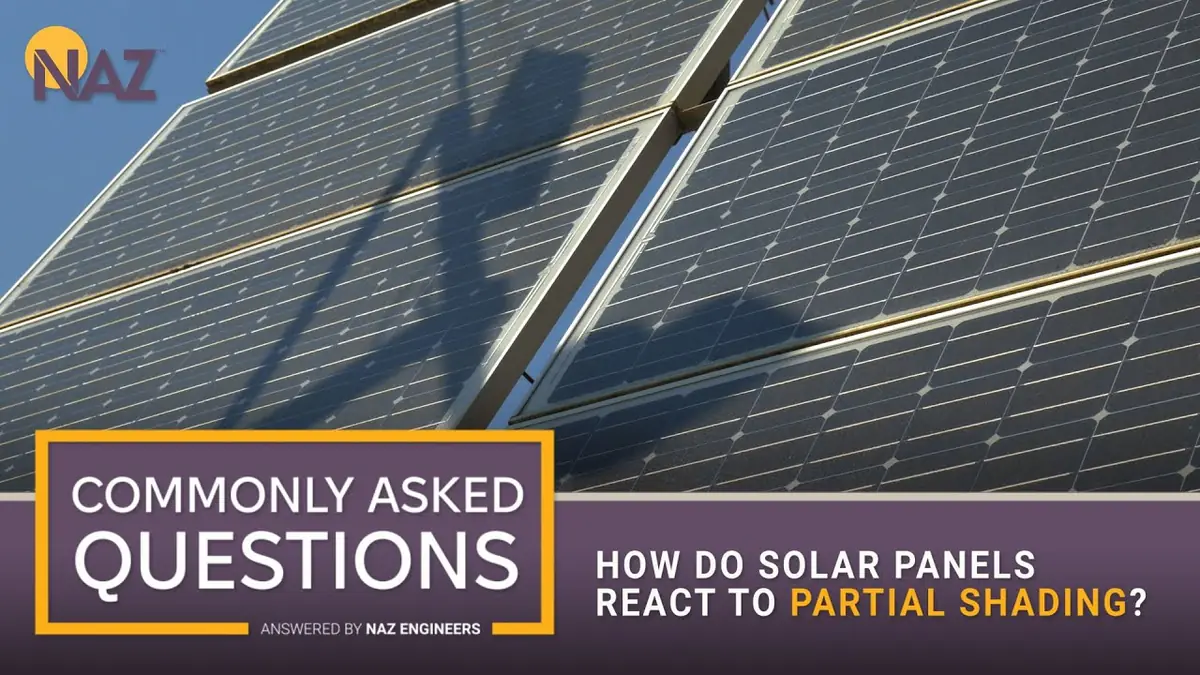
Common culprits are unglamorous: a tripped breaker or offline inverter nobody noticed, panels coated in dust or pollen, new shade from a tree that grew since the site survey, or a failed optimizer dragging down a string. Heat itself trims output, since panels lose efficiency above their rated temperature, as our summer underperformance guide explains. Without panel-level monitoring, a fault can hide for months; our phone monitoring guide shows how to set up alerts. Document everything with screenshots, because warranty and service claims go faster with a paper trail.
A Five-Step Bill Audit
Work this list in order before spending a dollar. First, open the monitoring app and confirm the system produced what it should have this month. Second, compare 12 months of utility usage against the installer’s estimate to find the gap between appetite and supply. Third, read the bill line by line: separate energy charges from fixed fees, and check what exports actually earned per kilowatt-hour.
| What you find | Likely cause | Fix |
|---|---|---|
| Production matches estimate, usage is up | System undersized for new habits | Cut usage or add panels |
| Big evening usage, small daytime usage | Timing mismatch, weak export credits | Shift loads to solar hours |
| Bill is mostly fixed fees and taxes | Non-bypassable charges | Normal; verify each line item once |
| Production far below estimate | Equipment fault, soiling, new shade | Service call with screenshots |
| Battery idle during evening peak | Wrong rate schedule programming | Reprogram to your TOU plan |
| Lease payment rising yearly | Contract escalator clause | Review buyout or refinance options |
Fourth, check your rate plan against hourly usage and reprogram any battery to match. Fifth, call the installer armed with numbers. “My system made 412 kWh in July against a promised 520” gets a service visit; “my bill feels high” gets a shrug. Most high-bill stories end at steps one through three with a free fix. For national rate trends, the U.S. Energy Information Administration at eia.gov publishes the residential price data behind the bills.
Should my electric bill be zero with solar panels?
Almost never. Even with 100 percent of your kilowatt-hours offset, monthly connection fees of $10 to $15 plus taxes and surcharges remain, and solar credits typically cannot erase them. A residual bill of $10 to $25 a month is normal for a well-sized system.
Why is my bill higher in winter even though nothing changed?
Shorter days and lower sun angles cut production 30 to 50 percent in many states, while heating and lighting loads rise. Annual net metering true-ups smooth this out, but monthly bills will swing with the seasons.
Does running the AC during the day help?
Yes, pre-cooling the house during solar hours is one of the most effective free tricks. Every kilowatt-hour of cooling done while panels are producing is one you do not buy back at evening rates.
My monitoring shows zero production. What now?
Check your breaker panel for a tripped solar breaker and your inverter display for error codes first. If both look fine, call your installer immediately, since every dark day is lost production and lost money.
Will a battery fix my high bill?
Often, yes, if your problem is timing: storing midday surplus for evening use directly attacks the import-at-retail, export-at-wholesale gap. But a battery will not fix an undersized system or a broken inverter, so audit first.
How long after installation should I wait before worrying?
Give it one full billing cycle after permission to operate, since utilities often estimate the first bill. If the second full bill is still far above expectations, start the five-step audit above.
Ready to compare real solar prices?
Get free, no-pressure quotes from vetted local installers and see what solar costs for your roof.