

Solar panels carry some of the longest warranties in home improvement, often 25 years on both product and performance. But those warranties are conditional contracts, not blankets, and manufacturers deny claims every year over mistakes homeowners did not know they were making. Here are the six mistakes that most commonly void coverage, and exactly how to avoid each one.
- You actually hold three separate warranties: the panel product warranty, the panel performance warranty, and the installer’s workmanship warranty, each with different terms.
- DIY installation, unauthorized repairs, and unapproved components are the fastest ways to void a manufacturer warranty.
- Skipping basic maintenance and ignoring monitoring alerts can be used to deny claims years later.
- Moving panels for a re-roof is fine, but only with documented work by a qualified installer.
- Registering the warranty, keeping every document, and choosing a bankable manufacturer protect claims decades out.
The Three Warranties You Actually Have
Before the mistakes, the map. The product warranty (sometimes called equipment or materials warranty) covers manufacturing defects: delamination, faulty junction boxes, cracked cells from factory flaws. Top brands now offer 25 to 40 years here; budget brands may offer 10 to 12. The performance warranty guarantees output over time, typically promising at least 80 to 92 percent of rated power at year 25, depending on brand. The workmanship warranty comes from your installer, not the manufacturer, and covers installation errors like bad flashing or loose wiring, usually for 5 to 25 years.
Each one can die independently. A perfect panel warranty means nothing if the installer who must file the claim went bankrupt in year three, and a great workmanship warranty does not cover a factory defect in the panel itself. EnergySage maintains a detailed warranty comparison scoring major brands on product length, year-25 output, labor coverage, and transferability, and it is worth checking where your brand lands. Our 2026 brand guide covers which manufacturers installers actually trust, and our Tier 1 explainer covers why bankability matters when the warranty outlives the company.
| Warranty | From whom | Typical length | Most common void trigger |
|---|---|---|---|
| Product / equipment | Panel manufacturer | 12 to 40 years | Unqualified installation, unapproved parts |
| Performance / power | Panel manufacturer | 25 to 30 years | Undocumented shading or neglected maintenance |
| Workmanship | Your installer | 5 to 25 years | Installer bankruptcy, unauthorized rework |
| Inverter | Inverter manufacturer | 10 to 25 years | Improper wiring, unapproved accessories |
Mistake 1: Unlicensed or DIY Installation
Nearly every panel manufacturer requires installation by a qualified, licensed professional following the product’s installation manual. That sentence is doing enormous work in the warranty document. A DIY install, or one done by an unlicensed handyman, gives the manufacturer a clean reason to deny any future claim, even if the failure is clearly a factory defect. The logic is blunt: they cannot verify the product was mounted, wired, and torqued to spec, so they will not stand behind it.
This also covers the gray area of “my cousin is an electrician.” If the installer is not licensed for solar work in your state and cannot produce commissioning documents showing the system was installed to manufacturer spec, you are exposed. When vetting companies, our 15 questions to ask an installer includes exactly which credentials and documents to demand before signing. The cheapest bid that skips these is not a bargain; it is a warranty with a hole in it from day one.
Mistake 2: Unauthorized Repairs
Ten years in, an inverter throws an error code, and a local handyman offers to “take a look.” Stop. Having anyone other than the manufacturer, the original installer, or an authorized service partner open up equipment or rewire components can void the warranty on the spot. Manufacturers are explicit that service must go through approved channels, because an improper repair can mask or cause the very failure being claimed.
The correct sequence is boring but safe: check the monitoring app, note the error code, call the installer first, and let them coordinate with the manufacturer. Document every step with dates and photos. The same rule applies to “upgrades” like adding panels to an existing string or swapping an inverter for a different brand without written manufacturer approval. If a change touches the electrical design, get approval in writing before a wrench turns.
Mistake 3: Unapproved Parts and Add-Ons
Manufacturers qualify their panels with specific mounting hardware, connectors, inverters, and optimizers. Substituting cheaper racking, mixing connector brands, or bolting on accessories the manufacturer never tested can void coverage, because the failure modes change. This is the mistake behind many denied claims: the panel failed for a genuine factory reason, but the claim died because the mounting system was never on the approved list.
The add-on version of this mistake is increasingly common. Critter guards, snow guards, panel-level optimizers added later, and third-party monitoring hardware are all fine in principle, but they should be manufacturer-compatible and installed by your solar company, not improvised. Keep the original equipment list from your contract, and before any addition, ask the installer to confirm in writing that the accessory does not affect warranty coverage. Paper trails beat memory in every claim dispute.
Mistake 4: Skipping Basic Maintenance
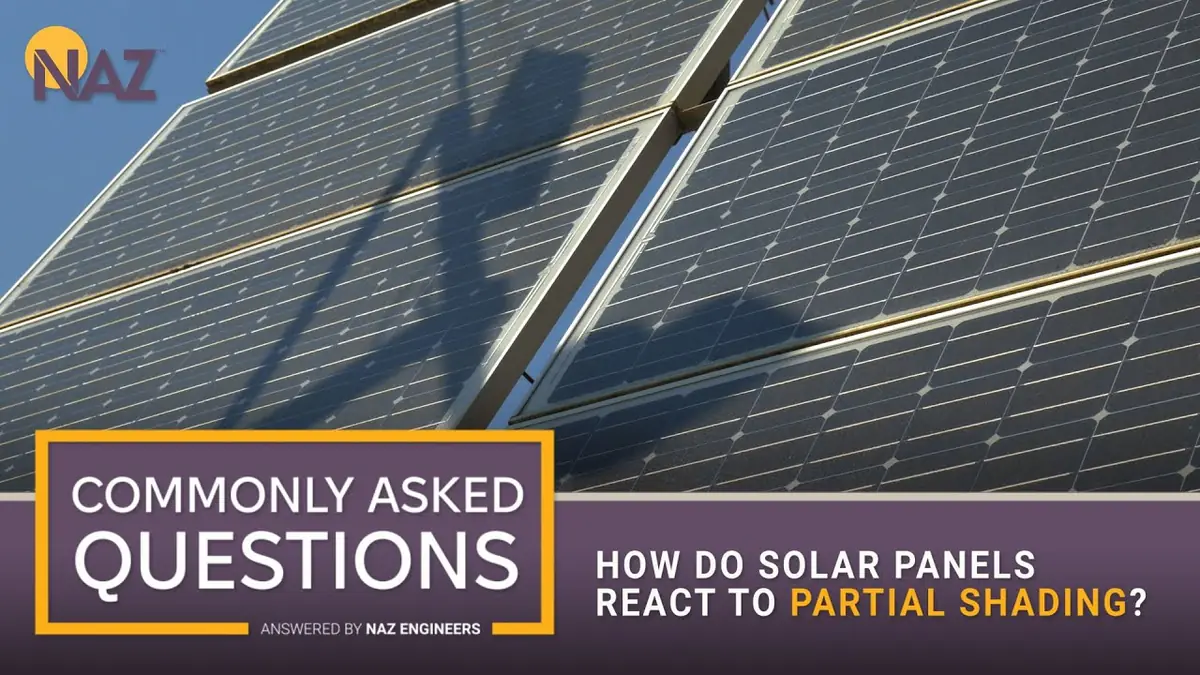
Warranties assume the owner does their part, and the owner’s part is modest: keep panels reasonably clean, keep vegetation and debris clear, prevent bird nesting under the array, and pay attention to monitoring alerts. “Neglect” clauses are real, and manufacturers have denied performance claims where years of soiling or unchecked shading made it impossible to separate neglect from defect. You do not need to wash panels monthly, but you do need to not ignore them for a decade.
Monitoring is the maintenance most owners skip. A panel-level monitoring system will flag an underperforming panel within days; without it, a dead optimizer can hide for years, and a delayed claim is a weaker claim. If you have not looked at your production data in months, our phone monitoring guide takes ten minutes to set up. Also understand the difference between a defect and normal aging: our degradation guide explains the roughly 0.5 percent annual output decline that is expected and never a warranty issue, while our panel lifespan guide covers what 25-plus years of real service looks like.
Mistake 5: Moving Panels Without Paperwork
Roofs need replacing, and panels must come off and go back on. This is completely normal and does not void anything, provided the removal and reinstall is done by a qualified solar installer with documentation: photos before and after, torque records, and a recommissioning report. What voids coverage is having the roofer’s crew yank the panels, stack them in the yard for three weeks, and bolt them back on however they fit.
Plan the re-roof as a three-party job: roofer, solar installer, and you coordinating the schedule. Get the solar company’s detach-and-reset quote in writing before the roofer starts, confirm who is responsible if a panel is damaged in handling, and keep the recommissioning paperwork with your warranty file. While you are at it, confirm the roof work itself is documented, since roof leak disputes are where solar and roofing warranties love to point at each other.
Mistake 6: Ignoring the Fine Print
The quietest warranty killer is paperwork. Some manufacturers require online registration within 30 to 90 days of installation to activate the full warranty term; miss the window and you may fall back to a shorter base term. Selling the house without filing the warranty transfer paperwork can leave the buyer uncovered and become a negotiation headache. And the biggest fine-print risk of all is manufacturer bankruptcy: a 40-year warranty from a company that folds in year eight is a souvenir. This is why bankability, third-party insurance backing, and escrow arrangements matter as much as the headline number.
Acts of God sit in the fine print too. Hail, hurricanes, falling trees, and lightning strikes are generally excluded from manufacturer warranties, which is what homeowner’s insurance is for. Standard panels are tested against inch-wide hail at highway speeds, and our hail damage guide covers where that testing ends and insurance begins. Finally, read the exclusions on labor and shipping: many “25-year warranties” cover the replacement panel but not the $300 to $600 of labor and freight to install it. Knowing that now beats discovering it during a claim.
Does cleaning my panels myself void the warranty?
No, gentle cleaning with water and a soft brush is expected owner maintenance. What causes trouble is pressure washers, abrasive chemicals, or walking on the panels, all of which can cause damage the manufacturer will not cover.
Does hail damage void my warranty?
Hail damage is typically excluded as an act of God rather than voiding the whole warranty. The damaged panels would go through your homeowner’s insurance, while the warranty remains intact for manufacturing defects on the rest of the system.
Can I transfer my solar warranty when I sell my house?
Usually yes, but most manufacturers require a transfer form and sometimes a small fee within a set window after the sale. File it during closing, not six months later.
What if my installer goes out of business?
Your manufacturer warranties survive, but your workmanship warranty usually dies with the company, and claims get harder without the installer’s commissioning records. This is why keeping your own copy of every document matters, and why choosing an established installer beats the cheapest bid.
Does adding a battery void my panel warranty?
Adding a battery does not affect the panel warranty as long as the work is done by a qualified installer with compatible equipment and any required manufacturer approvals. A DIY battery tie-in that disturbs the existing wiring is a different story.
Where do I check my state’s installer licensing rules?
The DSIRE database tracks solar policies and many state licensing requirements, and your state’s contractor licensing board confirms whether a specific company is licensed and in good standing.
Ready to compare real solar prices?
Get free, no-pressure quotes from vetted local installers and see what solar costs for your roof.