
Florida remains one of the best states for rooftop solar in 2026: full retail net metering is still in place, sunshine is abundant, and state tax exemptions cut real costs. But hurricane codes, insurance rules, and the end of the federal tax credit change the math before you sign.
- Florida’s investor-owned utilities still credit exported solar at the full retail rate under PSC Rule 25-6.065, after a 2022 rollback attempt was vetoed.
- Systems installed in 2026 do not qualify for the 30 percent federal credit, ended for systems placed in service after December 31, 2025.
- Florida exempts solar equipment from the 6 percent sales tax and excludes added home value from property tax assessment.
- Hurricane wind-load engineering adds roughly $1,200 to $2,800 to a typical system, with stricter standards in Miami-Dade and Broward counties.
- Insurers cannot refuse coverage solely because a roof is under 15 years old; older roofs need an inspection showing five or more years of useful life.
Net Metering in 2026: Still 1:1
The single biggest reason Florida solar pencils out is net metering done right. Under PSC Rule 25-6.065, investor-owned utilities must credit residential customers at the full retail rate for exported solar. Every kilowatt-hour you send out offsets a kilowatt-hour you pull in later, one for one.
This was almost lost. In 2022 the legislature passed a bill that would have phased down export credits toward wholesale rates. Governor DeSantis vetoed it, and the 1:1 structure has held through 2026. Contrast that with California’s NEM 3.0, where exports earn only a few cents.
Two details matter. Monthly excess rolls forward as kilowatt-hour credits, but year-end leftovers settle at a lower avoided-cost rate, so honest sizing beats oversizing. The policy is politically fragile: utilities have lobbied for rollbacks before. Confirm current terms with your utility, and check DSIRE for the latest program status.
Your Utility Sets Your Exact Terms
The 1:1 rule binds the investor-owned utilities: Florida Power & Light (FPL), Duke Energy Florida, Tampa Electric (TECO), and Florida Public Utilities.
Municipal utilities and cooperatives write their own rules. Jacksonville’s JEA, Orlando’s OUC, Gainesville’s GRU, and Kissimmee’s KUA all run solar programs, but compensation varies. JEA credits exports at a lower wholesale-style rate rather than retail, which stretches payback. In muni or co-op territory, get the export rate in writing before comparing quotes.
Rates differ too. Florida residential prices sit near 13 to 15 cents per kWh, slightly higher in TECO and Duke territory. Because savings equal the rate you avoid paying, higher-rate territories see stronger economics from the same hardware.
| Utility | Type | Export credit (2026) | Notes |
|---|---|---|---|
| FPL | Investor-owned | Full retail, 1:1 | Largest utility; no residential rebates |
| Duke Energy Florida | Investor-owned | Full retail, 1:1 | Monthly rollover credits |
| Tampa Electric (TECO) | Investor-owned | Full retail, 1:1 | Small solar programs beyond net metering |
| JEA (Jacksonville) | Municipal | Below retail | Wholesale-style export rate; longer payback |
| OUC (Orlando) | Municipal | Varies | Confirm current terms before signing |
Hurricane Rules That Shape Every Install
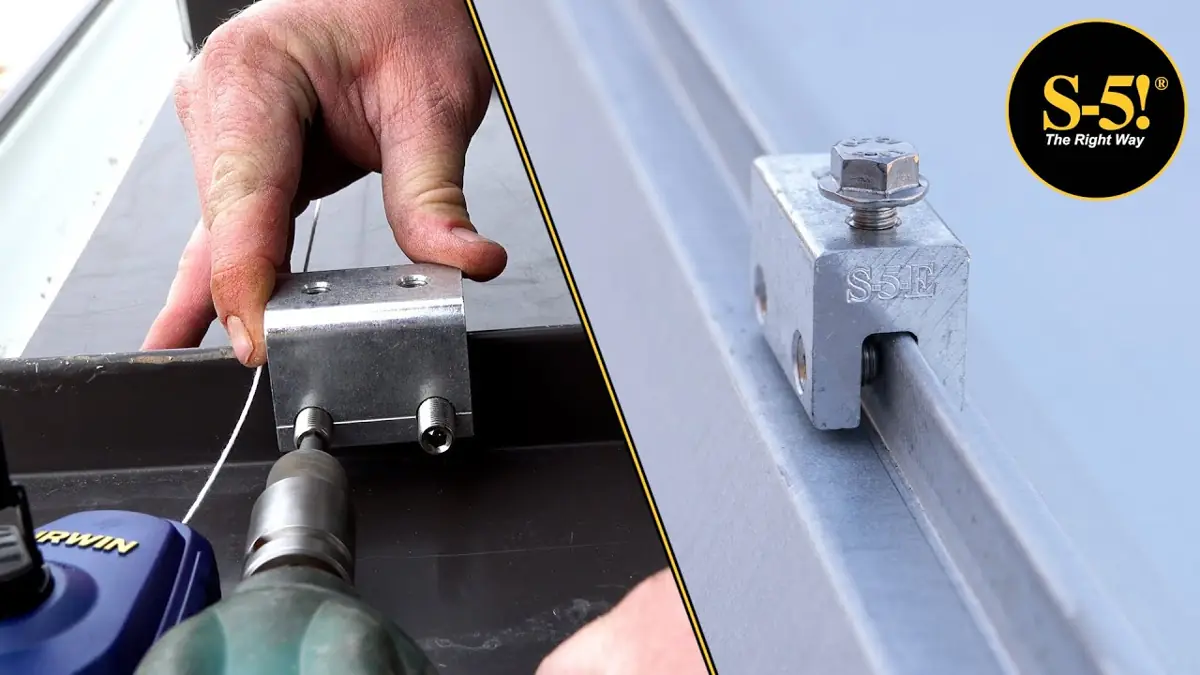
Florida’s building code treats a solar array as a wind-catching structure. The Florida Building Code is on a three-year cycle, with the 9th edition taking effect December 31, 2026 and adopting ASCE 7-22 wind-load standards. Racking and attachments must carry Florida Product Approval, and Miami-Dade and Broward counties sit inside the High-Velocity Hurricane Zone (HVHZ), where requirements are strictest.
What this means for your quote: expect a wind-load engineering adder of roughly $1,200 to $2,800 on a typical residential system. That covers additional attachments, structural review, and approved hardware. An array rated for 170 mph design winds costs more to anchor than one rated for 110 mph, and your permit office will check the engineering.
Two practical tips. Ask your installer for the Florida Product Approval numbers on the racking system; permit reviewers ask for them, and approved hardware avoids resubmittals. If you are in the HVHZ, confirm the installer has done permitted work in Miami-Dade or Broward before.
Insurance and the 15-Year Roof Rule
Florida’s insurance market needs the same planning as its weather. Two rules matter most for solar homeowners.
Report the panels to your insurer. Rooftop solar is typically covered under dwelling coverage, but your coverage limit predates the array. Call your agent after installation and raise the dwelling limit to include the system’s cost. Skipping this call can leave a $20,000 array underinsured.
Know the 15-year roof rule. Under Florida Statute 627.7011(5), an insurer may not refuse a policy solely because the roof is under 15 years old. At 15 or older, an inspection showing five or more years of useful life keeps you insurable on age grounds. Condition still counts: a damaged 12-year-old roof can still be a problem.
This intersects with solar directly. Many installers will not put 25-year panels on a roof with under 10 years of life left, since a re-roof means removing and reinstalling the array at real cost. If your roof is 12 to 15 years old, get the inspection and decide whether a re-roof comes before the panels. Our guide to hail and storm damage to solar panels covers what happens when weather hits the array.
Florida Tax Breaks That Survived 2026
Florida offers no state income tax and no direct state solar rebate, but it does offer two durable exemptions worth real money.
Sales tax exemption. Solar energy equipment is exempt from Florida’s 6 percent sales tax under Florida Statutes section 212.08(7)(hh). On a $20,000 system that saves $1,200. If you see sales tax on a Florida solar line item, ask for a revised quote.
Property tax exemption. Under section 193.624, the value solar adds to your home is excluded from its taxable assessed value. Your home may appraise higher with solar, but your property tax bill does not rise because of it. Our overview of solar panels and property taxes compares how other states handle the same question.
What is gone: the 30 percent federal residential credit. Systems placed in service after December 31, 2025 do not qualify under section 25D. Some homeowners preserve a credit-like benefit through leases or PPAs, where the financier claims the commercial credit and passes savings through pricing. Confirm anything tax-related with a tax professional and the IRS guidance. Our federal solar tax credit 2026 guide walks through exactly what changed.
What Solar Costs and Pays Back
For a typical 8 kW Florida system in 2026, installed prices generally land between $14,000 and $21,000 before incentives, or about $1.75 to $2.65 per watt. Florida’s competitive installer market and simple roof stock keep it below the national average.
Production is the state’s superpower: 4.7 to 5.5 peak sun hours per day statewide. An 8 kW system in Orlando or Tampa typically produces 11,000 to 13,000 kWh per year. With 1:1 net metering and rates near 14 cents, annual bill savings of $1,400 to $1,800 are realistic, putting simple payback at roughly 7 to 10 years.
Size the system to your actual usage rather than the maximum that fits, since surplus beyond yearly consumption settles at avoided cost. A 7.6 kW system is a common sweet spot for average Florida bills, and pulling 12 months of usage history before sizing is the single most useful step you can take. Shade from oaks and palms is the other Florida wildcard; see how much shade is too much before assuming your roof is clear.
Pros
- 1:1 retail net metering, among the best export policies left in the US.
- Strong sun and high AC loads align production with savings.
- Sales and property tax exemptions cut thousands with no paperwork chase.
- Competitive installer market keeps prices below the national average.
Cons
- No 30 percent federal credit for 2026 installs.
- Hurricane engineering adds $1,200 to $2,800 per project.
- Insurance market is volatile; roof age and coverage limits need attention.
- Net metering faces periodic legislative threats.
Protecting Your Investment Long Term
Start the permission to operate process with realistic timing: interconnection paperwork and inspections add weeks after the physical install. Consider a battery even with 1:1 net metering intact. Batteries add hurricane-season outage protection, and they hedge against any future export-rate rollback, exactly as California homeowners learned after NEM 3.0.
Finally, document everything: the wind-load engineering, the Florida Product Approval numbers, inspection reports, the interconnection agreement, and the insurer notification. A documented system appraises better and sells easier.
Does Florida still have net metering in 2026?
Yes, for investor-owned utilities. FPL, Duke Energy Florida, and Tampa Electric still credit exports at the full retail rate under PSC Rule 25-6.065. Municipal utilities set their own rules, so verify your utility’s terms.
Can I still get the 30 percent federal tax credit in Florida in 2026?
No, not for a purchased system installed in 2026. The residential credit under section 25D ended for systems placed in service after December 31, 2025. Florida’s sales and property tax exemptions still apply.
How much extra does hurricane code add to a Florida solar install?
Typically $1,200 to $2,800 on a residential system, covering wind-load engineering, extra attachments, and Florida Product Approval hardware. Miami-Dade and Broward enforce stricter High-Velocity Hurricane Zone standards.
Will my homeowners insurance cover my solar panels?
Usually yes, under dwelling coverage, but you must report the installation and raise your coverage limit to include the system’s cost. Ground-mounted systems may fall under other-structures coverage.
What is the 15-year roof rule in Florida?
Under Florida Statute 627.7011(5), insurers cannot refuse or non-renew a policy solely because the roof is under 15 years old. Older roofs can stay insured if an inspection shows five or more years of useful life remaining.
Is a battery worth it in Florida with 1:1 net metering?
Harder to justify financially than in states with poor export rates, but it provides hurricane-season outage protection and hedges against any future net metering rollback. Many Florida buyers purchase for resilience first.
Ready to compare real solar prices?
Get free, no-pressure quotes from vetted local installers and see what solar costs for your roof.