
The warranty says 25 years, but that number undersells the truth: most quality solar panels keep producing usefully for 30 to 40 years. The 25-year figure is a warranty promise, not an expiration date. What actually determines your panels’ lifespan is a short list of failure modes, most of them preventable, and brand choice matters less than installation quality. Here is the full picture.
- Quality panels routinely last 30 to 40 years; the 25-year warranty is a floor, not a ceiling.
- Panels do not die suddenly. They fade gradually, typically retaining 85 to 90 percent of output at year 25.
- The most common early killers are bad installation, not bad panels: water intrusion, poor wiring, and mounting stress.
- Premium brands earn their reputation through lower degradation rates and stronger warranty backing, not immortality.
- Inverter replacement, not panel replacement, is the maintenance event to budget for.
Warranty years vs real years
Solar panels carry two warranties, and confusing them causes most lifespan anxiety. The product warranty (typically 25 years on quality panels, 10 to 12 on budget ones) covers defects and premature failure: delamination, frame corrosion, junction box faults. The performance warranty guarantees a minimum output curve, usually around 90 percent at year 10 and 80 to 87 percent at year 25, depending on the brand’s degradation rate.
Neither warranty marks the panel’s death. When year 25 arrives and the panel makes 87 percent of its original power, it keeps making that power in year 26, 27, and beyond, declining slowly. The economic question is never “will it work at year 30” but “is the output still worth the roof space,” and for paid-off panels producing free electricity, the answer stays yes for a very long time.
How panels actually age
Panels fade; they rarely fail outright. The dominant aging process is gradual cell degradation, covered in detail in our degradation science guide: about 0.4 to 0.55 percent of output lost per year for modern panels. After 25 years of 0.5 percent annual loss, a panel produces roughly 88 percent of its day-one power. After 35 years, roughly 83 percent.
Catastrophic failures, where a panel stops producing entirely, are uncommon in quality equipment: field studies typically find annual failure rates well under 0.1 percent for Tier 1 manufacturers. When panels do die young, the cause is usually one of a handful of manufacturing defects (faulty backsheets in certain 2010s vintages, junction box failures) or installation damage, not old age.
This slow fade is why lifespan discussions should focus on economics, not function. A 30-year-old system at 85 percent output on a paid-off roof is still offsetting most of a home’s bill. Replacement decisions at that age are usually driven by roof replacement or the desire for modern high-efficiency panels, not by panel death.
What kills panels early
When panels die before their time, the culprit is usually on this list:
- Water intrusion. Failed seals let moisture into the laminate, corroding cell connections. Poor flashing and mounting penetrations accelerate this. Quality installation matters more than brand here.
- Hot spots from damage. Cracked cells, from hail beyond rating or installer mishandling, create high-resistance zones that overheat and can scorch backsheets.
- Backsheet failures. Certain budget backsheets from the early 2010s cracked prematurely. Modern backsheets and glass-glass construction largely solved this.
- Potential-induced degradation (PID). Voltage leakage in some system designs saps output. Modern transformerless inverters and proper grounding have made PID rare in residential.
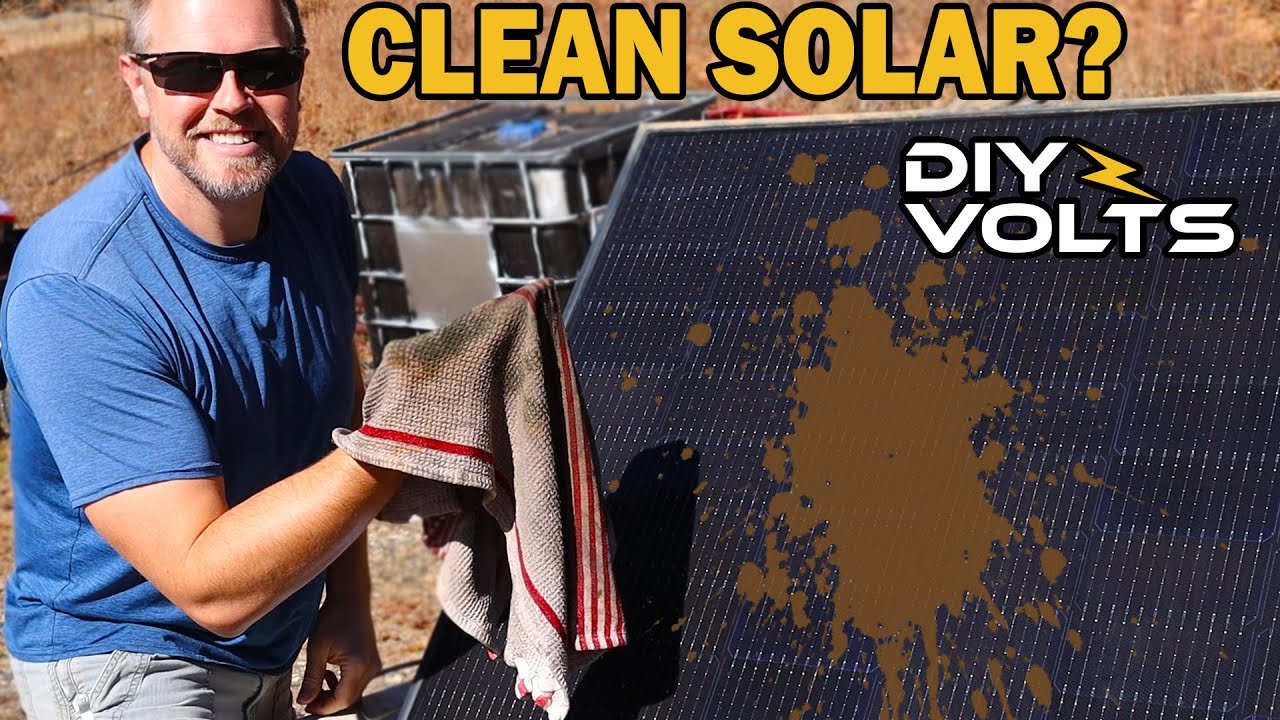
- Chronic soiling and neglect. Panels in dusty agricultural or desert areas lose meaningful output without occasional cleaning, and long-term soiling can bake into hot spots.
Notice the pattern: most early deaths trace to installation quality, component matching, or environment, not the panel’s brand badge. This is why choosing a careful installer protects your 30-year asset more than upgrading panel tiers.
Brand differences in longevity
| Brand tier | Typical product warranty | Warrantied degradation | Expected real lifespan |
|---|---|---|---|
| Premium (Maxeon, REC) | 25 to 40 years | 0.25%/yr | 35 to 40+ years |
| Mainstream (Qcells, Silfab) | 25 years | 0.50%/yr | 30 to 35 years |
| Budget (value imports) | 10 to 15 years | 0.55 to 0.70%/yr | 25 to 30 years |
Premium brands separate on two axes: slower warrantied degradation, which compounds into meaningfully more lifetime energy, and stronger corporate backing for warranty claims decades out. Whether that justifies the premium depends on your ownership horizon. For a forever home, premium longevity math works. For a home you will sell in eight years, mainstream panels with a 25-year transferable warranty capture nearly all the resale value.
One caution: the longest warranties only matter if the company survives to honor them. Prefer manufacturers with deep balance sheets and long track records when warranty length is your deciding factor.
What field evidence shows
The best longevity data comes from NREL’s long-term field studies and from early-adopter fleets now passing 20-plus years. NREL’s analyses of thousands of systems find median degradation around 0.5 percent per year, with premium systems doing better. Perhaps more telling: there are working installations from the 1980s and 1990s still producing power, including famous early arrays that have run for over 40 years at reduced but respectable output. The Solar Energy Technologies Office funds ongoing durability research that continues to refine these numbers.
These veterans teach a clear lesson. Panels from the 1980s were crude by modern standards, yet many survive. Today’s panels use better encapsulants, better backsheets, and better understood cell designs. If 1980s panels can reach 40, well-made 2026 panels failing before 30 would be a genuine surprise, barring installation defects.
Construction type adds a final nuance. Most residential panels use a glass front and polymer backsheet, a proven combination that keeps weight and cost down. Glass-glass panels, with glass on both sides, resist moisture ingress and mechanical stress better, which is why they dominate commercial projects and appear in some premium residential lines. They are heavier and pricier, so for most homes the standard construction is fine, but if you live in a harsh coastal or desert environment, asking about glass-glass options is reasonable.
Maximizing your panels’ lifespan
- Hire for installation quality. Proper flashing, torque specs, wire management, and grounding prevent most early failures. Check reviews for leak complaints specifically.
- Keep them reasonably clean. In most climates rain suffices; in dusty areas, rinse annually. Never use abrasive tools or harsh chemicals.
- Monitor production. Panel-level monitoring catches a failing panel in weeks instead of years. A dead panel among twenty is invisible without it.
- Trim encroaching shade. New tree growth that shades panels costs output and can create hot spots over time.
- Budget for the inverter, not the panels. Plan one inverter replacement around year 12 to 15 for string systems; microinverters typically avoid this.
- Keep your paperwork. Warranties require proof of purchase and professional installation. File the datasheets and contract somewhere permanent.
Thirty-plus years is a long time to own anything on your roof. Buy decent panels, insist on careful installation, and the panels will almost certainly outlast the inverter, the roof beneath them, and quite possibly your ownership of the home. That longevity is the quiet financial engine of solar: every year past payback is a year of electricity at essentially zero marginal cost.
Do solar panels stop working after 25 years?
No. The 25-year mark is a warranty milestone, not an expiration. Panels typically produce 85 to 90 percent of original output at year 25 and keep declining slowly for many more years.
What is the oldest working solar panel installation?
Several 1980s-era installations still produce power after 40-plus years. Modern panels use better materials and should last at least as long barring defects.
Which lasts longer, the panels or the inverter?
The panels, by a wide margin. String inverters often need replacement around year 12 to 15; panels routinely outlive two inverter generations.
Does extreme weather shorten panel lifespan?
Panels are rated for hail, wind, and snow loads per IEC standards. Beyond-rating events (golf-ball hail, hurricanes) can cause damage, but normal weather does not meaningfully shorten life.
Should I replace 20-year-old working panels with new efficient ones?
Rarely for economics alone. The old panels still produce; replacement pays only if roof work is already planned or you need far more capacity than the old array provides.
Ready to compare real solar prices?
Get free, no-pressure quotes from vetted local installers and see what solar costs for your roof.