
A 5 kW off-grid solar system suits a small efficient home or serious full-time cabin: big enough to matter, small enough to DIY. In 2026, expect $10,000 to $18,000 DIY or $25,000 to $45,000+ installed, with batteries as the biggest cost. This guide breaks down where every dollar goes, which battery options make sense, and one tax change 2026 buyers must hear first.
- A 5 kW array produces roughly 17 to 27 kWh per day before losses, depending on your sun hours.
- DIY builds typically cost $10,000 to $18,000; the battery bank is about half the budget.
- Professional installs typically run $25,000 to $45,000 or more.
- The 30% federal tax credit ended for systems installed after December 31, 2025; 2026 buyers get no federal credit.
- Battery choice alone can swing the total by $5,000 or more.
What a 5 kW Off-Grid System Gives You
Five kilowatts times your peak sun hours is your daily harvest. At 4 peak sun hours, 5 kW makes about 20 kWh per day gross, roughly 15 to 17 kWh after losses. In the sunny Southwest at 5.5 peak sun hours, the same array pushes past 25 kWh gross. Most of the U.S. lands between, for a working range of about 17 to 27 kWh per day.
That runs an efficient off-grid home without electric heat or central air: fridge, well pump, lights, laptops, laundry, a shoulder-season mini-split, a small workshop. It will not comfortably run electric resistance heat, large central AC, or an electric water heater; those belong on propane or need a bigger system. If you are comparing system sizes, our 5 kW vs 8 kW vs 10 kW comparison shows where each size fits.
5 kW covers a disciplined household. The EIA reports the average American home uses close to 30 kWh per day, but off-grid homes are rarely average: efficiency plus propane for heat and hot water typically pulls a 5 kW household into the 12 to 20 kWh range. Compare your usage against national figures at eia.gov.
The 2026 Tax Credit Situation
Plainly: the 30% federal residential clean energy credit (Section 25D) ended for systems installed after December 31, 2025. Installed in 2026, you get no credit. Budget the full sticker price.
Plenty of old articles still describe the credit as current, so check the IRS guidance on residential energy credits at irs.gov before counting on anything. State and utility incentives are separate: some states still offer rebates or tax exemptions, but rules change often, so verify any claim at dsireusa.org, the national database of state incentives.
DIY Cost Breakdown
Going DIY on a 5 kW off-grid system is very doable if you are comfortable with basic electrical work and pulling a permit. Here is where the money goes at typical 2026 online prices:
Solar panels, 5 kW: $2,500 to $4,000. Online bulk pricing runs roughly $0.50 to $0.80 per watt; ten 550-watt panels is a common 5 kW layout. Local pickup often beats shipped prices once freight is included.
Inverter and charge control: $1,200 to $2,500. A 5 kW 48V all-in-one unit from EG4 or Growatt sits at the low end; a Victron separates setup costs more but is easier to service.
Battery bank: $3,500 to $10,000. This is the swing factor. A 10 to 13 kWh LiFePO4 bank runs $3,500 to $6,000; a 20 to 30 kWh bank for real multi-day autonomy runs $7,000 to $12,000.
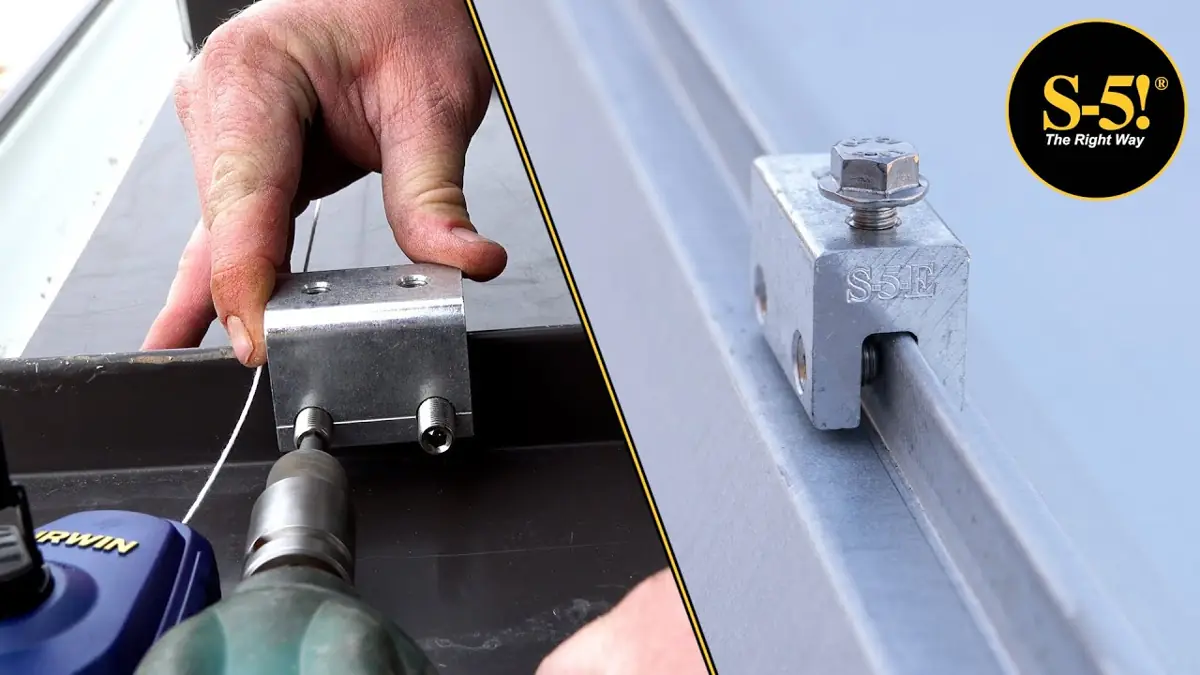
Racking, wiring, breakers, disconnects: $1,500 to $2,500. Ground-mount racking costs more than roof mounting but is easier to install and clean.
Generator (optional but wise): $800 to $1,500. A dual-fuel 4 to 5 kW generator is the cheapest cloudy-week insurance available.
Total DIY: $10,000 to $18,000, driven mostly by battery size. Our off-grid cabin sizing guide uses the same math on a smaller scale.
Professionally Installed Cost
Hiring a pro for a 5 kW off-grid install typically lands between $25,000 and $45,000, and remote sites can push past that. The equipment is the same stuff you would buy, marked up 20 to 40 percent, plus design, permitting, labor, and the installer’s warranty.
The premium buys design, permitting, labor, and a 5 to 10 year workmanship warranty. Watch for premium battery brands at double the price of equivalent server-rack units, and steep remote-site travel charges. Get three quotes with equipment itemized separately from labor. For grid-tied context, see our real price of solar in 2026.
Battery Bank Options and Costs
A 5 kW array pairs with very different banks by autonomy goal: a weekend cabin might carry 10 kWh of storage, while a full-time home wanting 3 cloudy days wants 25 to 30 kWh.
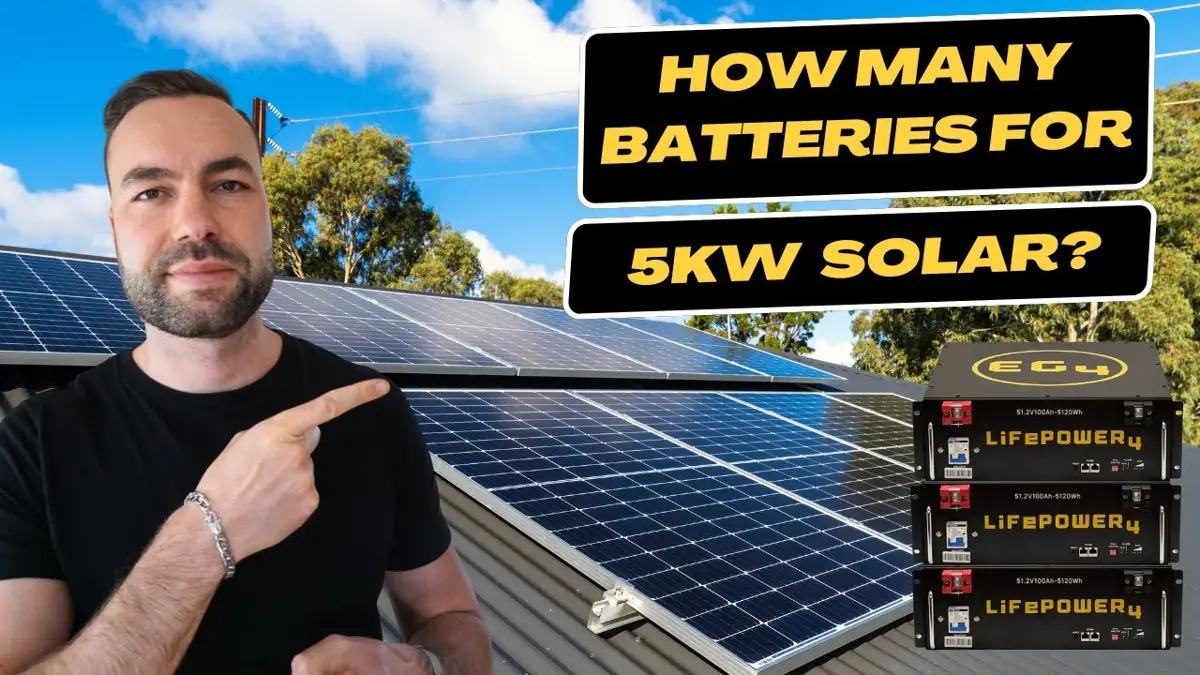
The 2026 value sweet spot is the 48V 100Ah server-rack LiFePO4: 5.12 kWh per unit, typically $1,000 to $1,500 from EG4, SOK, and LiTime. Two units (10.2 kWh) cover a modest cabin for $2,000 to $3,000; four to six (20 to 30 kWh) cover a full-time home for $5,000 to $9,000. Premium brands like Battle Born or Victron charge roughly double per kWh for longer warranties and U.S. support.
Lead-acid costs roughly half upfront per rated kWh, but only 50 percent is usable versus 80 percent for LiFePO4, and it lasts a third as long. Over a decade, lithium wins on lifetime cost in almost every case. Our battery sizing guide covers autonomy and depth of discharge with worked examples.
Where Every Dollar Goes
Here is the typical budget split for a DIY 5 kW off-grid build at the midpoint of the range, about $14,000:
| Component | Typical cost | Share of budget |
|---|---|---|
| Solar panels (5 kW) | $3,000 | 21% |
| Battery bank (15 kWh LiFePO4) | $5,000 | 36% |
| All-in-one inverter/charger | $1,800 | 13% |
| Racking, wiring, breakers, monitoring | $2,200 | 16% |
| Generator (dual-fuel 4.5 kW) | $1,200 | 9% |
| Permits, freight, misc | $800 | 6% |
Panels, the part everyone shops for first, are barely a fifth of the budget; batteries plus the generator are nearly half. Anyone quoting $8,000 all-in is skipping the battery bank or selling equipment you will replace in three years.
Is a 5 kW Off-Grid System Worth It?
Against a $150 monthly bill, a $14,000 DIY system pays back in under 8 years, then runs nearly free for another decade. Against a grid line extension, it is not close: utilities commonly charge tens of thousands of dollars per mile, so connecting a remote cabin can cost more than powering it with solar.
Pros
- No monthly electric bill and immunity to rate hikes and outages
- Often cheaper than a grid line extension to remote property
- DIY-friendly size with widely available 48V components
- Modular: panels and inverter capacity can grow later
Cons
- No 30% federal tax credit for 2026 installations
- Batteries will need replacement in 10 to 15 years
- You become your own utility: monitoring and maintenance are on you
- Winter production dips mean generator use or lifestyle adjustments
How to Keep the Cost Down
Shrink the load first. Every kWh eliminated through efficiency saves roughly $700 to $1,000 in system cost; efficiency is the cheapest watt you will ever buy.
Go 48V from the start. Thinner wire, cheaper breakers, and the keenly priced server-rack batteries. Building at 12V or 24V and upgrading later wastes money.
Buy batteries as one matched bank. Adding batteries a year later to an existing bank shortens the new batteries’ life. Size the bank once, buy it once.
Consider a smaller bank plus a generator. Two days of autonomy instead of 4 saves $3,000 to $5,000, and the generator covers the rare long cloudy stretch for far less.
Shop panels locally. Freight on ten large panels is real money, and local distributors often beat online prices once shipping is included. Read our 2026 federal solar tax credit explainer before finalizing the budget.
How many batteries do I need for a 5 kW off-grid system?
It depends on daily use and cloudy-day tolerance, not the 5 kW figure. Common pairings: 10 to 15 kWh of LiFePO4 for a cabin, 25 to 30 kWh for a full-time home wanting 3 days of autonomy. Our battery sizing guide has the full method.
Can a 5 kW off-grid system run air conditioning?
A small mini-split (9,000 to 12,000 BTU) for one room, yes, during sunny hours. Whole-house central air, no: the surge and all-day draw need a much larger system. In hot climates, size up to 8 kW or treat AC as daytime-only.
Is DIY off-grid solar hard to install?
A 5 kW ground-mount with an all-in-one inverter is an approachable DIY project: mount panels, run DC to the inverter, connect batteries, wire AC to a subpanel. Fusing, grounding, and permitting trip people up; hire an electrician for the final hookup if any of that makes you nervous.
How long will the system last?
Panels carry 25-year warranties and degrade slowly; a quality all-in-one inverter gives 10 to 15 years; LiFePO4 is rated 3,000 to 6,000 cycles (10-plus years). Budget one battery replacement and possibly one inverter over 25 years.
What maintenance does an off-grid system need?
Clean panels a few times a year, check connections annually, keep terminals clean, and glance at monitoring weekly. LiFePO4 needs no watering or equalizing, unlike old flooded lead-acid.
Ready to compare real solar prices?
Get free, no-pressure quotes from vetted local installers and see what solar costs for your roof.