
Solar costs, guides & honest reviews for US homeowners
Real 2026 prices, battery comparisons, incentive guides and installer advice — researched from primary sources, free of sales talk.
Browse guides by topic
Every guide is researched for 2026 — pick the topic that matches where you are in your solar journey.

Solar Costs & Quotes
What solar really costs in 2026 and how to read the quotes installers send you.
Battery Storage
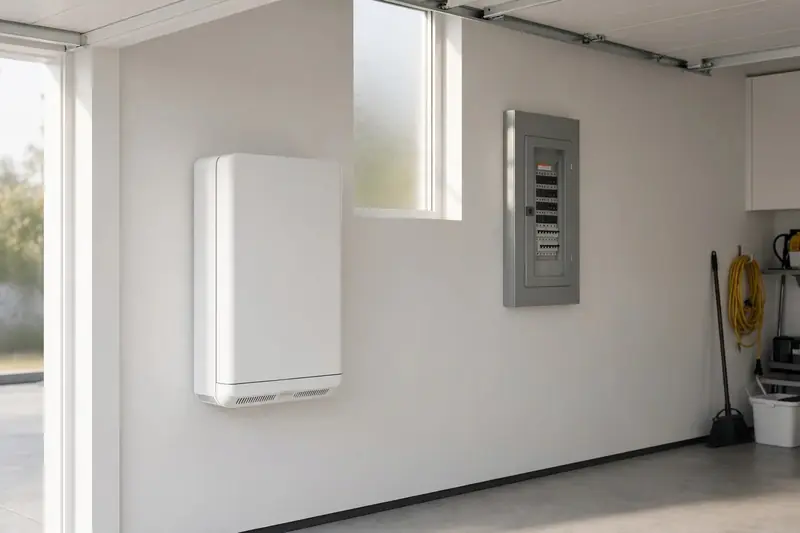
Powerwall 3, Enphase & FranklinWH reviews, costs and backup sizing.
Tax Credits & Incentives
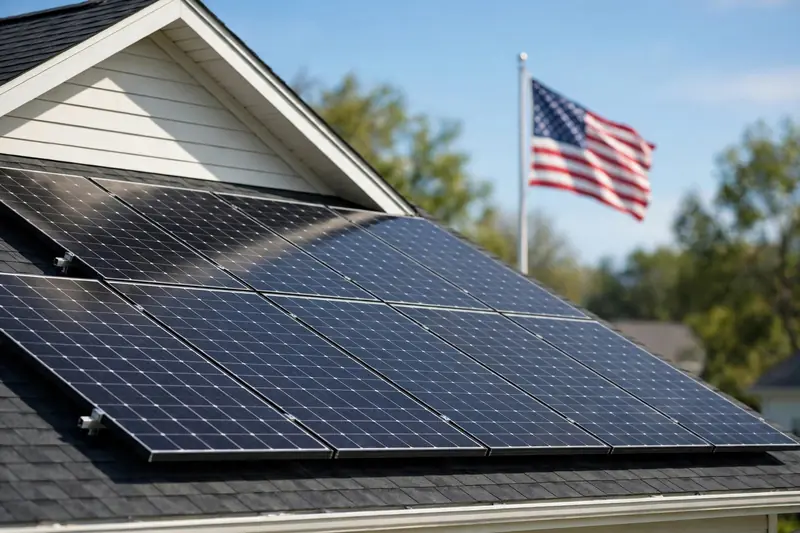
Federal and state incentives after the 2026 credit change.






Latest solar guides
-

How Many Solar Panels Does It Take to Charge a Tesla
A Tesla driven 12,000 miles a year needs roughly 3,000 to 3,900 kWh of charging: about 5 to 8 extra…
-
What Voids a Solar Panel Warranty: 6 Mistakes That Cost Thousands
Solar warranties last 25 years on paper but die young from six avoidable mistakes: DIY work, unapproved parts, skipped maintenance,…
-
Why Is My Electric Bill Still High After Installing Solar
Solar panels do not automatically zero your bill. Undersized systems, evening usage, fixed utility fees, and underperformance are the usual…
-
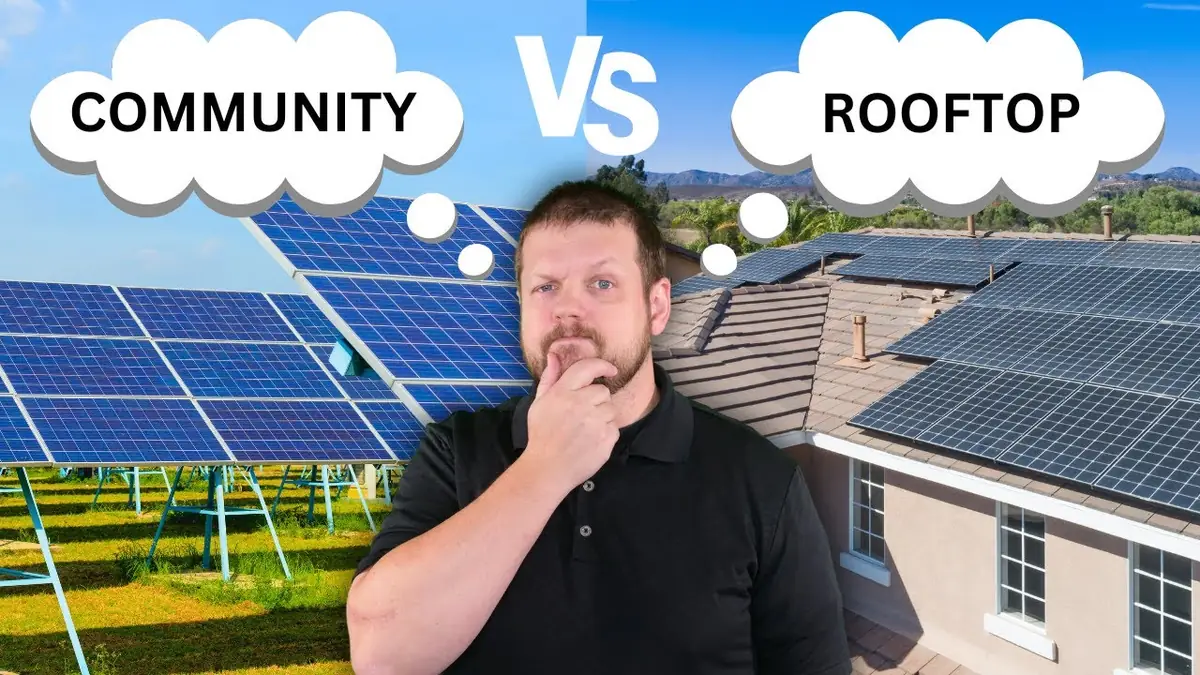
Community Solar vs Rooftop Panels: Which Saves More in 2026
Community solar needs $0 down and trims bills 5 to 15 percent, while rooftop panels cost more upfront but save…
-
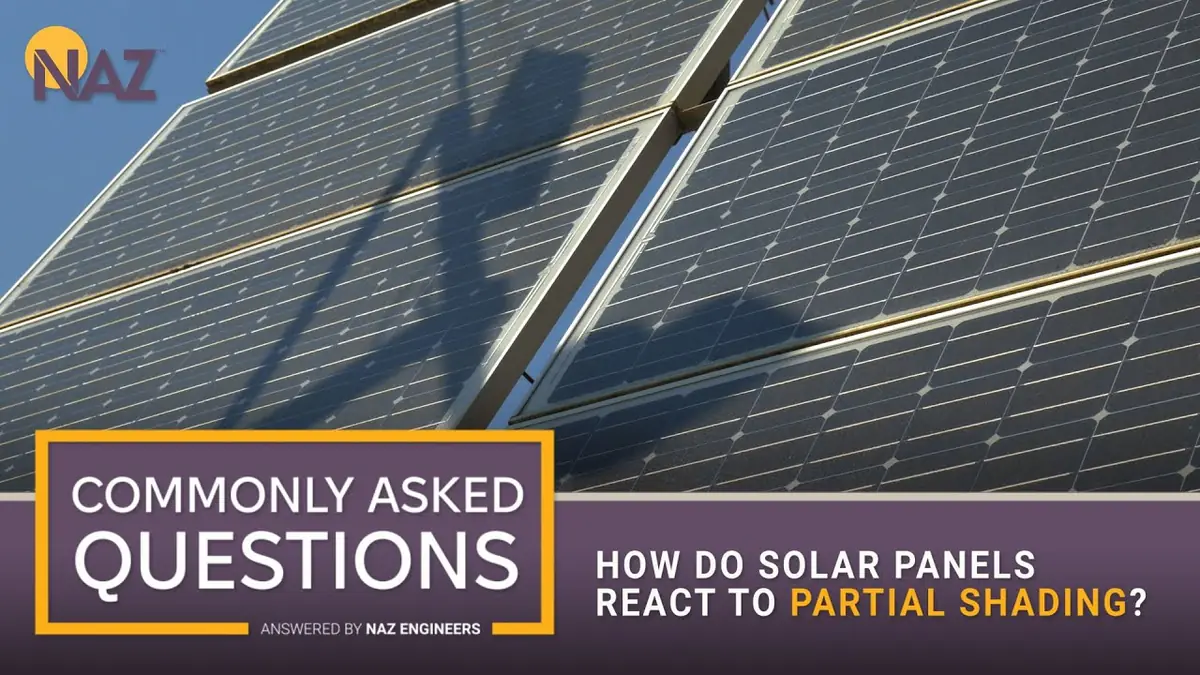
How Much Shade Is Too Much for Solar Panels
Even 10 percent shade can slash solar output far more than 10 percent. How shade hurts panels, when it is…
-
Permission to Operate: Why Your Panels Sit Idle for Weeks After Install
Your solar panels are installed, but they sit idle for weeks waiting on permission to operate. What PTO is, why…
-
The Cheapest Way to Add Solar to a Home in 2026
The 30 percent federal credit is gone, but 2026 solar can still be affordable. Here are the cheapest paths to…
-
Florida Solar in 2026: Net Metering, Hurricane Codes, and Insurance Rules
Florida still offers 1:1 net metering in 2026, but hurricane codes, insurance rules, and the end of the federal credit…
-
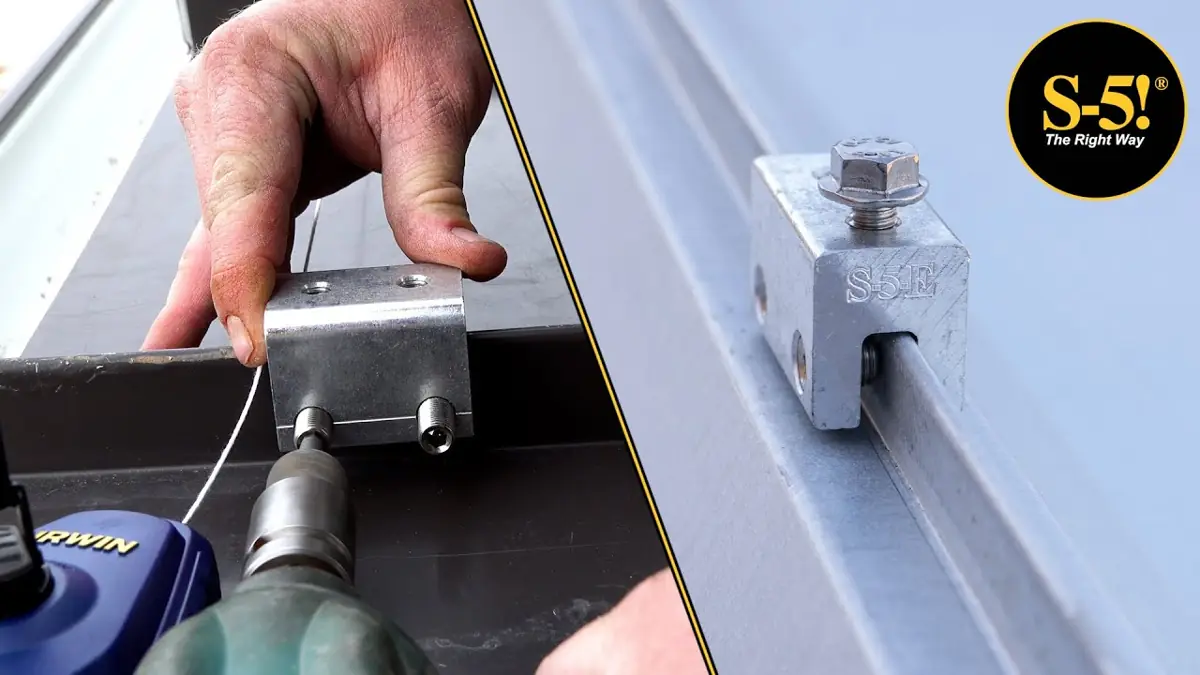
Metal Roof Solar: Why Standing Seam Is the Easiest Roof for Panels
Standing seam metal roofs are the easiest surface for solar: clamp-on mounts grip the seams with zero roof penetrations, cutting…
-
The 120 Percent Rule: How Much Extra Solar Your Utility Lets You Install
Most utilities cap your solar at 120% of last year’s electricity usage, and your breaker panel has its own 120%…
-
What Is NEM 3.0 and Why Batteries Suddenly Matter in California
NEM 3.0 slashed what California utilities pay for exported solar by about 75%. How the Net Billing Tariff works, and…
-
Net Metering 3.0 Explained for Homeowners Who Installed Under NEM 2.0
Installed solar under California’s NEM 2.0? Here is what NEM 3.0 changes, how your 20-year grandfathering works, and what happens…
-
Do Solar Panels Raise Your Property Taxes? A State-by-State Answer
Solar panels raise your home’s value, but in most states they will not raise your property tax bill. How exemptions…
-
Which States Still Pay You the Most for Rooftop Solar in 2026?
The 30% federal credit is gone, so your state now decides how fast solar pays off. Here is where rooftop…
-
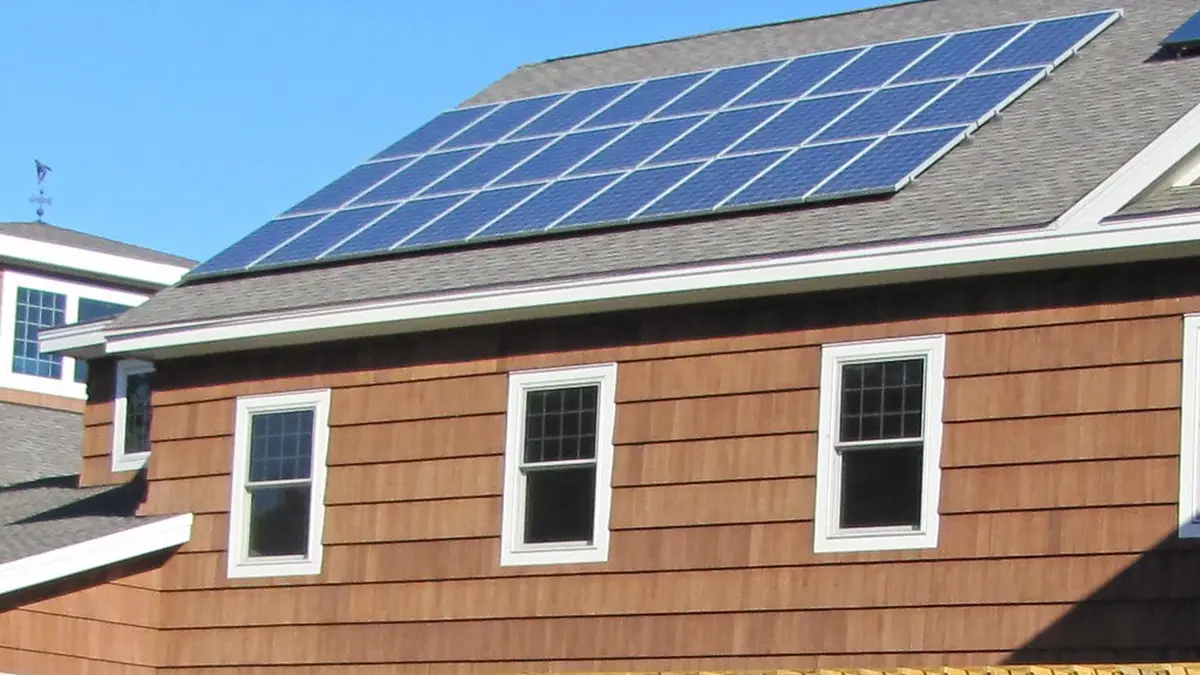
Ground-Mount vs Roof-Mount Solar: When a Backyard Array Wins
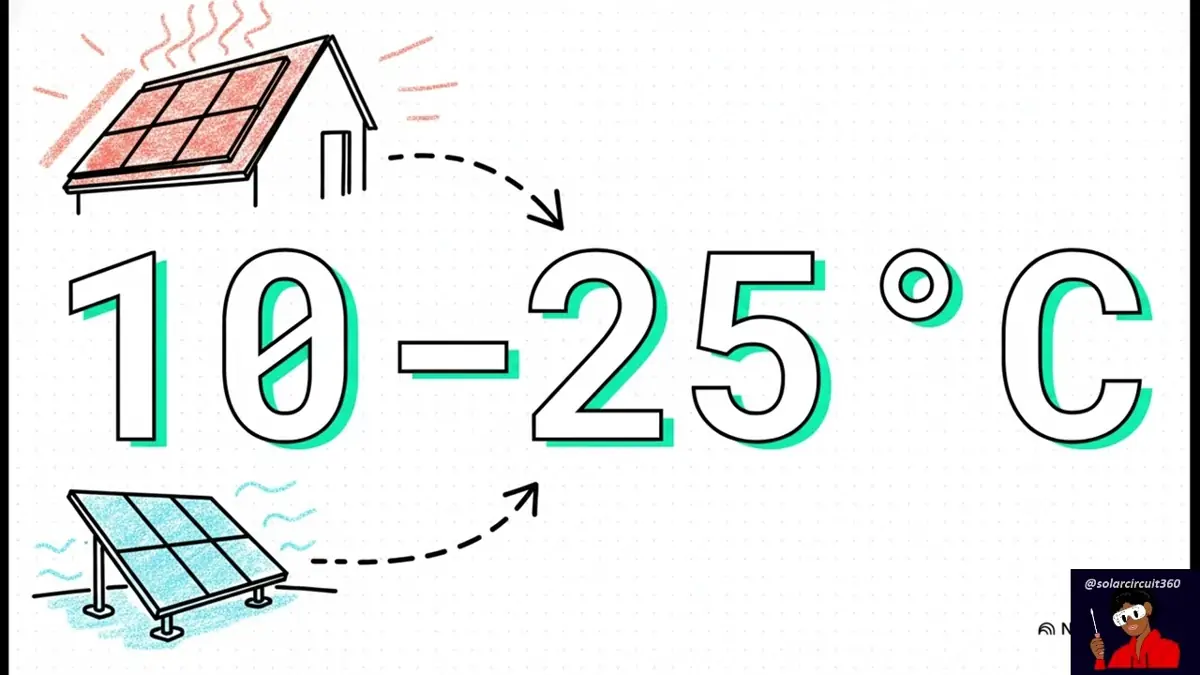
Ground-mount solar costs $0.50 to $1.00 more per watt than rooftop, but ideal tilt and cooling can yield 10 to…






Why homeowners trust Solar Quote Hub
The solar industry has a trust problem. We built this site to be the resource we wished existed.
✓ Independent research
No installer pays for placement. We compare specs, prices and policies as they are.
✓ Primary sources
IRS guidance, DOE data, EIA rates and utility tariffs — not marketing blogs.
✓ Real 2026 numbers
Every guide reflects the post-tax-credit reality: new prices, new math, new rules.
✓ US state-by-state
State incentives, utilities and net metering rules covered where they differ.
Thinking about solar? Start with real numbers.
Read the cost guides, compare your options, then talk to installers from a position of knowledge.